Designing Transdisciplinary Units that Build Agency and Inspire Action
Many units of inquiry integrate subjects but do not yet lead to authentic student agency or meaningful action. This session shares practical strategies for designing concept-driven, transdisciplinary units that empower learners to take ownership of their learning and apply it beyond the classroom. Participants will explore how to align central ideas, key concepts, approaches to learning skills, assessment, and action opportunities within the Primary Years Programme. Case studies from upper primary classrooms in France will illustrate student-led exhibitions, community projects, and design challenges. Learning objectives include: • aligning curriculum elements intentionally • embedding student voice and choice • designing authentic action
Session Leader: Sara Davies
PYP Coordinator and Teacher. International School 33, Bordeaux, France
Beyond the Classroom: Outdoor Learning that Sticks
Learning doesn't have to stay indoors. Discover how outdoor, movement-based lessons can deepen student engagement and support long-term understanding. This interactive workshop equips educators, new or experienced, with practical strategies for teaching academic content outdoors through place-based learning. Participants will experience one of two model lessons, (1) the water cycle or (2) camouflage, that can be easily adapted for their own students. You'll also receive both lesson plans and accompanying resources to help you confidently take learning outside and make it meaningful. Dress for the weather! This workshop will start indoors and move outdoors.
Session Leader: Carol Breedlove
Outdoor Learning Educator, Elementary School Librarian. International School of Dusseldorf, Germany
Heatmaps to Hope: Using Data to Empower Climate-Resilient Students
How can digital tools, authentic fieldwork and local data empower students to tackle tomorrow’s global challenges? In this hands-on workshop, explore how LabXchange and environmental data collection can support students to investigate real-world environmental challenges while developing critical thinking, data analysis and evidence-based decision-making skills. In one example, we'll explore how students can use infrared thermometers to identify urban heat hotspots around their school, analyze their findings and use the evidence to come up with nature-based solutions to create cooler, more resilient communities. Whether you teach science, geography, or humanities you’ll leave with practical ideas and interdisciplinary resources ready to use in your classroom. Come ready to investigate, question, design and turn local data into meaningful climate action.
Session Leader: Hatice Akcay
(IGCSE and IB) Biology and Environmental Systems & Societies Teacher. Rotterdam International Secondary School, Netherlands
Format: Workshop | Audience: Secondary | Theme: Science, AI & Digital Learning
Effective differentiation in an A to E grade maths classroom with in-class student support
In this session, we share a range of very practical teaching and learning approaches for organising, and resourcing to best ensure all students' needs are being met in the maths class with the subject teacher as the lead and the student support teacher in a support role. We would like to share strategies that have worked for us so that the highest attainers are being stretched, those working at the expected levels for their age are progressing well, and the students requiring support are working on accessible and appropriate materials to ensure they leave school with the key mathematics they will need in the rest of their lives.
Artificial Intelligence and the History Classroom: A SWOT Analysis
Artificial Intelligence is now an inescapable part of everyday life inside and outside school. This session will include a brief outline of how AI works and an assessment of the potential problems it represents for all educators. However, the main focus will be on the potential positives of AI for History and Humanities educators, with practical approaches, resources and a broad schematic plan for integrating AI positively and purposefully into the education of our young people.
Session Leader: Ben Walsh
Trust Lead for History, Author, Examiner and Trainer, Assoc VP of Historical Association (England). Windsor Academy Trust, UK
Format: Workshop | Audience: Secondary | Theme: History, AI & Digital Learning
Inspiring Emotionally Healthy Boys; From Stereotypes to SEL Success
This session explores innovative approaches to social-emotional learning (SEL) that specifically support boys’ emotional development, wellbeing, and sense of belonging. Challenging outdated assumptions and pervasive stereotypes, participants will engage with creative, movement-based, and relational strategies that foster empathy, identity, and connection. Through evidence-informed practices and school case studies, attendees will examine the social and cultural forces shaping boys’ emotional lives, including peer dynamics, humor, and societal pressures. Participants will leave with three practical SEL strategies—ready to adapt and implement in their classrooms—to enhance engagement, promote emotional accessibility, and cultivate a culture of belonging that supports all students, not just boys.
Session Leader: Nick Haisman-Smith
Executive Director and Co-Founder. The Institute for Social and Emotional Learning, UK
Clockwork Classrooms - solutions for smooth running lessons
Takeaway easy to implement ideas that will improve the smooth running of lessons. Rooted in extensive classroom experience explore tips for building good habits, & class camaraderie. Dare to devolve to learners and develop classroom commandos. This session will be active, responsive & designed to make you think, reflect and improve. I would love to hear about the impact in your classroom afterwards!
Session Leader: Carmel Bones
Director of Carmel Bones Education Limited. Author of "Clockwork Classrooms".. UK
Yes, Everyone Can Read That Novel: UDL Strategies for Multi-Level, Multilingual Literacy
Reading novels can enrich classes by allowing students to engage with authentic language in culturally responsive lessons. Universal Design for Learning can give us strategies to allow a diverse group of students to access and read the same novel. In many mixed-level classrooms, ELLs or students with SEN often end up either reading novels that are too easy for them intellectually, or falling behind while reading the novel the rest of the class is reading. This workshop will showcase several Universal Design for Learning strategies that will allow a diverse group of learners to engage in a collective novel study.
Session Leader: Rebecca Gulka
Director & Teacher. Teaching With Class, France
Format: Workshop | Audience: Whole School | Theme: Cross-curricular, Literacy & Communication
The Space After Assessment: Turning Time, Freedom and Curiosity into Meaningful Learning
Post-exam time offers a rare opportunity: space, flexibility and students who are ready to think differently. This session explores how schools can design engaging, purposeful post-exam enrichment programmes that go beyond “filling time”. We will explore how to balance freedom with structure, how to design enrichment that remains intellectually demanding, and how trips, speakers, workshops and collaborative projects can be woven into a meaningful whole. The session will be useful for teachers, middle leaders and senior leaders responsible for enrichment or curriculum planning. Attendees will leave with practical strategies, planning questions and adaptable models they can use to design post-exam programmes that students value and remember.
Session Leader: Lucy Evans
Ignite (Post-Exam Group) Coordinator, Teacher of History & FPE.. Dragon School, Oxford, UK
Format: Workshop | Audience: Whole School | Theme: Leadership, School Culture & Community
We spend so much time considering the feedback that we give to students, and continuously updating our feedback policies – but is it really worth it? In this session, Nathan will explore the difference between active and passive feedback, illuminating the issues with feedback that can be found in most contexts, before moving on to provide attendees with a range of strategies that will ensure that feedback is used effectively within their own context. Suitable for teachers of all experience levels and working in all contexts.
Session Leader: Nathan Burns
Former Head of Maths, metacognition expert. Teaching and Learning Consultant
Empowering Global Citizens: Service Learning and Character Building for a Just and Joyful Tomorrow
Description: In an era marked by rapid change and uncertainty, fostering the development of compassionate, resilient, and globally-minded individuals is essential. This session will explore how service learning and character-building initiatives can empower students to become active contributors to a just and joyful future. By embedding self-awareness, empathy, and innovation into educational practices, we can cultivate the qualities that young people need to thrive both academically and in their broader communities. Attendees will gain practical insights into integrating service learning into their curricula, strengthening students’ sense of purpose, and nurturing the values of citizenship, social justice, and sustainable change. This session will be of particular value to educators and leadership teams seeking to build a culture of empathy and engagement, where students are empowered to make a meaningful impact on the world. Join us in shaping future global citizens who are ready to navigate an uncertain world with hope and resilience. Outcome: By the end of this session, participants will have a deeper understanding of how to effectively incorporate service learning and character-building initiatives into their educational practices to empower students as global citizens. Two key takeaways include strategies for designing impactful service learning projects that foster empathy and community engagement, and methods for integrating character-building activities that cultivate resilience, self-awareness, and social responsibility. Participants will leave with practical tools to adapt these strategies to their own school or community context, enhancing their students' ability to make meaningful contributions to a just and sustainable future. Whether you're looking to strengthen your school's global citizenship initiatives or refine your approach to nurturing the qualities that help students thrive in an uncertain world, this session provides actionable insights for increasing the impact of the IB in your classroom and beyond.
Session Leader: Aurelia McNicol
MYP Coordinator and Assistant Principal Academics. Ecole Internationale de Genève, Switzerland
Format: Workshop | Audience: Whole School | Theme: Cross-curricular, Sustainability & Global Citizenship
Making Group-work Work: practical ways to empower groups of students to work and learn together.
Group work should build independence, not chaos. In this highly practical workshop, you'll learn a simple “Group Project System” that helps students plan properly, share the load, and stay on track—without the teacher becoming the project manager. You’ll leave with ready-to-use mini-lessons to explicitly teach collaboration and project skills, plus student-ready tools including a planning sprint and Kanban board that turns “we just started” into clear tasks, roles, and next steps. Ideal for teacher-led projects and student-led inquiries.
The Art and Agency of "Unbuilding" Cultivating Cognitive and Emotional Growth through Destructive Play
Targeting Early Years and Primary practitioners—especially those in outdoor education—this 60-minute workshop reclaims "destructive play" as a vital inquiry-led process. Moving beyond "chaos," we explore "Unbuilding" as a gateway to STEM foundations, motor refinement, and emotional regulation. Using the Outdoor Laboratory as a natural setting for large-scale discovery, we examine how “Breaking, Bending, and Blending” fosters student agency and divergent thinking. Attendees will engage in hands-on "unbuilding" stations and gain a toolkit of low-cost, high-impact materials to facilitate intentional deconstruction. Leave with the pedagogical evidence to advocate for this essential "messy" play.
Session Leader: Sarah Burnham-Slipper
Early Years Curriculum Lead and Outdoor Learning Teacher. International School of Dusseldorf, Germany
Documenting Learning: The Power of Re-visiting and Making Thinking Visible
Exploring how documentation can strengthen everyday teaching. Together we’ll look at key practices that Simon and Estelle find useful and practical ways documentation can support learning in your teaching: We will focus on: (a) Observing: Noticing learning with curiosity; (b) Recording: Capturing meaningful moments; (c) Interpreting: Reflecting on what children’s thinking tells us; (d) Sharing: Making learning visible to children, families, teachers, and leaders to support reflection, collaboration, and ongoing learning. The session is designed with a focus on primary, from Early Years to G5, but the principles we consider can be applied with older students.
Session Leader: Estelle Ash & Simon Gregg
K3 home room teacher & Early Year Coordinator. IST
Format: Workshop | Audience: Primary | Theme: Cross-curricular, Professional Practice
In this interactive session, we will explore how wordless books promote conceptual understandings, spark deep thinking, and naturally connect to the IB Learner Profile. Participants will examine how wordless books provide meaningful opportunities for translanguaging, allowing students to draw on their full linguistic repertoire, while also offering authentic moments to teach ATLs explicitly, including communication, thinking, and social skills. Join us to experience practical strategies and classroom applications that transform wordless books into powerful tools for inquiry and inclusive learning. Please bring your laptop, feel free to bring a wordless book with you.
Debate Me! : How to plan, teach and assess a range of debate styles in the secondary classroom to challenge higher level speaking skills (MUN and Mock Trials)
The focus of the session would be the mechanics of planning, teaching and assessing a range of debate styles, using resources to demonstrate how this would work in a classroom and how to adapt it for their classes. This would be suitable for beginner or experts in the classroom. The structure of the workshop would be : • A brief introduction into the different types of debate styles (Ladder debate, British Parliamentary, Model United Nations, Mock Trials) and show why these kinds of speaking activities provide so many opportunities for students to improve and build different aspects of their analytical and speaking skills • Walk through a basic lesson plan and unit of work and how to introduce this into a SOW in either a Literature or Non-Fiction subject class (can apply to History as well) and how to start building these skills with debate games with students • Have teachers plan and prepare their own Mock Trial or MUN debate (depending on which is more popular with the group) and walk through the process using real materials and topics/inspirations I’ve used before in class (Jack the Ripper, Modern Slavery and Reparations, Immigration, The Importance of being Earnest) • Explain how to assess these debates, showing grading scales and teacher feedback sheets and how these and easily be adapted to other international grading requirements • Plenary : What literature, non-fiction titles, plays or real-world debate topics would fit this format in their classrooms right now? The kind of teacher that would find this useful would be secondary English teachers with students that have a high speaking level or want to move from B2 in C1 speaking activities or History teacher who want to incorporate more active analytical skills into the classroom. Debating in a classroom is a very flexible activity that students love to engage with and can be used in so many ways to get them thinking, planning and arguing about a topic they find exciting. This has many applications in the classroom and can be the catalyst for many students to finally solidify their speaking ability. Teachers who attend my workshop would take home with them : • Lesson plans and resources that can easily be adapted to their SOW with differentiation and SEN support, along with assessment sheets
Session Leader: Catherine Burgess-Wilson
IGCSE English Literature Teacher. Ecole Massillon, Paris, France
Learning by Design: Making Project-Based Learning Work in the Secondary Classroom
This session focuses on how high-quality Project-Based Learning (PBL) can be used as a powerful pedagogical approach in KS4 classrooms to promote deep learning, student engagement, and skill development, while maintaining curriculum rigour. Using a KS4 Geography case study as a brief illustrative example, the session will explore the key features of effective PBL, including purposeful driving questions, structured inquiry, explicit scaffolding, and authentic assessment. Participants will examine how well-designed projects can support independent learning, evaluative thinking, and meaningful application of knowledge, and will leave with practical strategies and adaptable resources that can be transferred across subjects and contexts.
Session Leader: Karen Corfield
Education Development Consultant. Discover the World Education, UK
Using A.I. to help develop students’ historical rigour using sources
The foundation of this session is based on the fact that A.I. image generators are often 'unreliable narrators' of history, filled with anachronisms and bias. This session will show how to transform these flaws into a powerful teaching tool by looking at evidence-based activities centered on critiquing A.I.-generated historical images (e.g. Mansa Musa's court). This session will help elevate students' source analysis by using A.I. inaccuracies to practice detecting bias and challenging interpretations and develop historical rigour by cross-referencing A.I. outputs with primary sources (like Ibn Battuta for Mansa Musa's court).
Session Leader: Jack Pettitt
AAHT, T&L, History Teacher. UK
Format: Workshop | Audience: Whole School | Theme: History, AI & Digital Learning
This workshop of 60 minutes is the result of a gathering data on How Teachers’ Mental Frameworks Affect Pedagogical Quality. Based on these results and the application of adaptive concepts from yoga psychology (Patanjali), we will identify the factors that are influencing current and potential future patterns of thinking, emotion, or behaviour which are impacting teachers’ level of energy, humour, motivation, and productivity and observe how these are interconnected. We will explore the Components of the mind and their relationship with our actions and hold one group activity (case studies, teachers will analyse their experience by reflecting, evaluating, and reconstructing to draw meaning). The workshop will clarify the understanding of the roots factors that affect teacher’s daily mind. The workshop gives the tools to teachers to learn how and what to choose for a better result for themselves and how to respond and not to react which is a major key for a balanced state of mind. Participants will understand the importance of achieving a balanced state of mind and his positive impact on the environment. This workshop is unique, being a fragment of a larger training program created by a teacher for teachers, based on yoga psychology and philosophy, an innovation that contrasts with other teacher well-being programs.
Session Leader: Cecilia Burtica
IB French A and B teacher, poet, translator. Mind Connection Hub
Format: Workshop | Audience: Whole School | Theme: Cross-curricular, Professional Practice
Embedding the Supercurricular: How to run a successful TEDx Youth event and club at your school, and how to embed a club into the fabric of the school.
This workshop will explore how to set up a successful TEDx Youth club and event in a school. You will take part in some of the activities I have created for the students; get access to the resources, structures and tips I have developed over 7 years of doing this at schools; and explore how you can activate many other clubs, students and teachers in the school to embed the club into the curricular and culture of the school, so that the final event is a real coming together of the entire school community.
Session Leader: Sam Cocksworth
Head of English. British International School, Cologne, Germany
Format: Workshop | Audience: Whole School | Theme: Leadership, School Culture & Community
From Monolingual to Multilingual: Practical strategies for supporting multilingual learners in English-medium classrooms
What if the languages your students use outside the classroom were the key to stronger learning inside it? International school classrooms are full of multilingual learners, yet many still operate as if everyone were monolingual. This practical, hands-on session supports teachers to explore simple, effective ways of using students’ languages to enhance learning, inclusion, and engagement. You will see what translanguaging looks like in real classrooms and leave with concrete strategies, planning ideas, and examples that can be adapted for learners of all ages and stages.
Session Leader: Eowyn Crisfield
Founder and Academic Director. Oxford Collaborative for Multilingualism in Education
Translanguaging and Cognitive Development of Multilingual Students.
The workshop aims to analyse and critically evaluate the translanguaging practices implimented in schools. We will focus on defining Translanguaging, Cognitive development and Language. "When children learn in languages they know, they engage more, develop stronger literacy skills, and build confidence to succeed in school and beyond"- UNESCO.
Session Leader: Deon du Plessis
Principal. International School Leiden
Format: Workshop | Audience: Whole School | Theme: Cross-curricular, Literacy & Communication
Cognitive Acceleration is more necessary now than ever
The workshop will explain what Cognitive Acceleration programmes are is and why this approach is still completely as relevant today as it was in the 1990s. It will also explore the need to match the readiness of students to the cognitive demands of the curriculum to allow students to flourish and meet the new challenges of systems thinking and multi causal events happening around them. The methodology will be explored in interactive lesson simulations and allow teachers to bridge this approach to their own curriculum and the thinking challenges needed for deep understanding, application and complex problem solving.
Session Leader: Alex Black
Owner of ABC-Learning. Zürich Area, Switzerland
Format: Workshop | Audience: Whole School | Theme: Science
This session explores how student action inquiry can be intentionally designed to develop changemaker skills such as agency, collaboration, ethical decision-making, perseverance, and reflection. Grounded in real classroom practice, it demonstrates how visible thinking routines can be embedded at key stages of inquiry to make student thinking, planning, and learning visible and assessable over time. Participants will experience practical structures that support learners to identify issues they care about, investigate them deeply, plan and take meaningful, age-appropriate action, and reflect on impact. The session emphasises purposeful, student-led action that is sustainable, transferable, and applicable across subjects and year levels.
Session Leader: Berna Aslan
PYP English Teacher. Enka Schools, Istanbul, Turkey
Format: Seminar | Audience: Whole School | Theme: Cross-curricular, Sustainability & Global Citizenship
We live in interesting times: a world where social media rewards outrage over accuracy, speed over reflection, and identity over truth. Public discourse is increasingly polarised and simplified, trust in expertise and evidence is eroding, and powerful tools now generate convincing information we neither fully understand nor control. This workshop asks how we can think objectively under these conditions. It examines how misinformation spreads, introduces “epistemological allies” who inform and inspire, and offers practical strategies for resisting confirmation bias, simplification, and the weaponisation of certainty. This talk is aimed at anyone interested in critical thinking, from primary through to the final two years.
Session Leader: Michael Dunn
TOK coordinator, founder of theoryofknowledge.net. at Brewster Madrid
Milestones that matter: planning small steps that build real mathematical competence
A practical session on using milestones to plan small steps that build understanding, fluency and reasoning, rather than just covering content. We will look at how to identify the milestone that matters in a sequence of learning, how to choose representations that make the maths visible and how to design practice that shifts pupils from knowledge to application through problem solving. We will also consider the language demands of each step and simple ways to build mathematical talk so pupils can explain and justify their thinking. Participants will leave with a usable planning scaffold, sample prompts and a set of quick checks for spotting when pupils are ready to move on.
From computational thinking to artificial intelligence, empowering learners through stories
Stories offer a powerful way to teach computational concepts, including artificial intelligence, by placing them into fun and engaging contexts. When ideas such as algorithms, decision-making, pattern recognition, or AI systems are embedded within imaginative story worlds, they become easier to understand and more meaningful for children. Characters help bring abstract concepts to life, allowing children to explore choices, consequences, and problem-solving in a playful way. In this hands-on workshop, we will explore theory behind this approach through practical activities, examples and discussions.
Session Leader: Yasemin Allsop
Associate Professor in Primary Education. UCL Institute of Education, UK
Format: Workshop | Audience: Primary | Theme: Computing, AI & Digital Learning
It will be an interactive workshop that explores how French grammar can be taught playfully and meaningfully in primary classrooms (Grades 1 to 5). Participants will engage actively in hands-on activities focusing on key grammar areas. Practical differentiation strategies will be provided to support mixed-ability learners using movement, visuals, and oral interaction. Teachers will leave with ready-to-use ideas to make grammar enjoyable, inclusive, and purposeful.
Curriculum Differentiation: A roadmap to student confidence & wellbeing
This presentation explores the critical role of explicit and systematic differentiation across subjects in international education. International school classrooms are inherently diverse, not only culturally, but also in learners’ curriculum backgrounds, prior educational experiences, exposure to teaching approaches, and language proficiency. Drawing on research conducted in an international primary school in the Netherlands, the session highlights how differentiation in core subjects such as mathematics and literacy enables teachers to meet learners where they are. By using assessment-informed practices and targeted scaffolding, teachers can effectively support progress and reduce achievement gaps, ensuring equitable learning outcomes
Session Leader: Emma Smit Petzsch
Support Coordinator, EAL Lead and Literacy Coordinator. International School Leiden, Netherlands
Another brick in the wall? Breaking down subject barriers with creative geography.
This session explores creative ways to teach geography by linking it with music, art, history, and global issues. From protest songs and visual storytelling to the Ice Man, famous refugees, climate change, and the New Silk Roads, discover how interdisciplinary approaches make geography engaging and relevant. The session also highlights how Hans Rosling’s Factfulness, Gapminder, and Dollar Street can be embedded to challenge stereotypes, and to build numeracy into the geography classroom. Colleagues will leave with practical ideas to inspire curiosity, deepen understanding, and break down subject barriers.
Beyond Procedures: Conceptual Understanding in the Language of Learning Processes
Across subjects, students demonstrate skills such as summarising, problem-solving, or investigating. However, performance does not always reveal conceptual understanding. This session explores the language of learning, the language of process-based concepts, and invites educators to reflect on whether we teach procedures or the concepts that give them meaning. The session emphasises how explicit attention to language helps students articulate their thinking, recognise when to retrieve strategies, and build lasting understanding. Participants will use simple frameworks to plan for process-based understandings, investigate tools to assess learning through a conceptual lens, and to strengthen feedback practices to support lasting understand.
Session Leader: Rafael Angel
Pedagogical Director and education consultant. Bogaerts International North Campus, The Netherlands
Reflective Teaching Through Video: A Practical Model for Improving Instruction and Student Learning
This session explores how video self-observation empowers secondary teachers to refine instruction, enhance student engagement, and strengthen pedagogical awareness. Participants will learn a simple, low-tech model for capturing short classroom clips and using structured reflection protocols to analyze questioning, pacing, classroom talk, and instructional clarity. Through practical examples and ready-to-use reflection guides, attendees will leave with actionable strategies to implement video-based reflective practice in their own contexts. The session focuses on teacher growth, classroom impact, and techniques that can be used immediately across subject areas.
Session Leader: Jelena Popov
Geography and History teacher. Kingsworth International School, Paris
Format: Workshop | Audience: Secondary | Theme: History / Reflective Practice / Instructional Improvement
Approaches to Embed Oracy and Metacognition in the Classroom
In his popular talk, Nathan explores two key areas on everyone's lips – oracy and metacognition. This session begins with an exploration of theory for both areas – what are they, and why do they matter so much? The session then moves on to explore a wide range of approaches, alongside examples, that can be developed in a number of different context and age phases. Don’t miss out on this popular session!
How to connect with students and build a classroom of cooperation and contribution.
This session aims to share Positive Discipline tools to help teachers better communicate with students while being kind and firm. Moreover, this workshop empowers teachers to build strong, respectful connections with students while creating calm, consistent classroom routines. Positive Discipline is grounded in Adlerian principles, participants will explore practical tools that foster mutual respect, and a sense of belonging.
Session Leader: Chrysanthi Golfinopoulos
Middle School Teacher, EAL Department Head. International School of Düsseldorf, Germany
From Surveillance to Support: Trust-Based Observations That Grow Teachers
How can middle leaders raise teacher capacity without checklists or compliance? This interactive workshop explores trust-based observations and cognitive coaching as practical tools for professional growth. Participants will examine how observation becomes a shared learning process and how coaching conversations build reflection and trust. Through role-play and simple protocols, leaders will practise observation lenses, coaching questions, and feedback structures they can use immediately. Designed for middle leaders in primary and secondary settings, this session supports leaders responsible for developing teachers through collaboration rather than evaluation.
Session Leader: Rebecca Goswell
PYP Coordinator, International School Leader. Aalesund International School, Norway
Format: Workshop | Audience: Whole School | Theme: Leadership, Professional Practice
Why Play Matters - Making a Case for Prioritising Play in Schools and Beyond
Discover the transformative role of play in children's lives. The Power of Play.This engaging presentation will explore the barriers to children’s play and highlight how play fosters children's well-being, creativity, confidence, and lifelong learning. Join us to explore innovative play practices and celebrate the joy and importance of play in your school setting. Session Outcomes By the end of this session, participants will: 1. Understand the Essential Role of Play Gain insight into why play is fundamental to children’s emotional, social, cognitive and physical development, and how it supports wellbeing and learning across all age groups. 2. Identify Key Barriers to Play Explore the current challenges limiting children’s opportunities to play—both in and out of school—and reflect on how these barriers can be addressed in your setting. 3. Recognise the Impact of Positive Play Environments Learn how inclusive, engaging and well-structured play environments promote creativity, cooperation, resilience, and a sense of belonging. 4. Discover Practical Strategies to Champion Play Take away a range of innovative, evidence-informed approaches and playful ideas that can be embedded in daily practice to enhance children’s play experiences. 5. Feel Inspired to Lead a Play-Positive Culture Leave feeling energised and equipped to advocate for the power of play within your school or organisation—and to inspire others to do the same.
Session Leader: Therese Hoyle
Director of Positive Playtimes. UK
Format: Workshop | Audience: Whole School | Theme: Cross-curricular, School Culture & Community
Designing a school curriculum focused around Technology and Outdoor Learning
My school is designed around two embedded strands: Education Technology and Outdoor Learning. This drives improvement across all areas of school life. This seminar, for all, will share how both strands are woven throughout the curriculum as the core offer, not bolt-on extras. The carefully planned focus on soft (power!) skills within these strands, to prepare learners for their future education, work and life in general, is the main ambition and outcome. I will also explore how these approaches could form the basis for a whole-school model at a greater level, plus what we'd do differently without the constraints of national curriculum and external accountability.
Session Leader: Matt Jessop
Head Teacher, Edufuturists ‘Educational Leader of the Year’ 2026. Crosthwaite C.E. Primary School, Lake District, England
More Than Clumsiness: Understanding and Supporting Developmental Coordination Disorder in the class room
This workshop helps teachers better understand Developmental Coordination Disorder (DCD) and how it impacts students beyond “clumsiness” or handwriting difficulties. Through a brief simulation and classroom examples, participants explore the hidden cognitive and physical effort required for everyday school tasks such as writing, organising materials, participating in PE, and keeping pace in lessons. The session focuses on inclusive, low-effort classroom adjustments that support independence, reduce frustration, and maintain high expectations—without lowering academic standards or teaching to a diagnosis.
How can mathematical learning be harnessed to support the solutions to real-world problems? In this workshop, participants will have the opportunity to be creative as we co-design mathematics units, for multiple grade levels, that address real-world problems. Examples: food waste, discrimination, recycling, health.
Exploring how to bring learning alive through Mantle of the Expert, a teaching as story-making approach.
This practical workshop explores how to bring learning alive through Mantle of the Expert, a teaching as story-making approach. Participants will experience a short context from the inside, working as a team responding to a commission, before stepping back to analyse the structure and planning. We will examine how narrative, responsibility and inquiry drive curriculum learning. Suitable for primary teachers and leaders, the session will provide a clear planning framework and practical strategies ready for immediate classroom use. Suitable for beginners and experts.
Session Leader: Tim Taylor
Teacher, author, trainer in Mantle of the Expert. UK
Designing Playful Learning Across Literacy & Numeracy
What if play wasn’t something learners grow out of—but something learning grows from? In this workshop, educators (and coordinators) will be able to explore how playful learning can enrich inquiry, collaboration, and creativity across the grades. Together, we’ll examine how play fosters shared understanding, builds community, and supports the development of future-ready learners. Through shared experiences and reflective dialogue, participants will co-create strategies to bring joy, curiosity, and authentic engagement into classrooms beyond the early years—because when we learn playfully, we learn together for a shared and connected future.
Session Leader: Kaccey Mayer
PYP Coordinator, Early Years Teacher. International School of Schaffhausen, Switzerland
From Planning to Practice: Using Language to Build Understanding Across the Curriculum
This presentation focuses on planning practices that allow students to learn language, learn through language, and learn about language in every subject area. The participants will explore ways to build background knowledge, increase structured oral interaction, and support comprehension by explicitly attending to syntax. Through intentional planning, the goal is to ensure all learners can access, engage with, and communicate complex ideas across the curriculum. This session will explore language as a vehicle for learning, strategies for building effective planners, and ways to plan with academic language objectives in mind.
Session Leader: Alina Guzganu
PYP EAL Teacher. American International School of Bucharest, Romania
Practical Entrepreneurship: A Structured Ideation Method for Any Classroom
Practical Entrepreneurship: A structured ideation method for any classroom This session introduces a simple, classroom-ready ideation method inspired by entrepreneurship education and applicable across a range of subjects. Participants will experience a structured play-based activity where they work in small groups to solve a real-world social, economic, or environmental problem using randomised prompts. The method can be implemented within a single lesson, a full day, a week-long camp, or extended across an academic year. Using the same core framework in different formats, the approach consistently develops adaptability, perseverance, problem-solving, and student agency.
Session Leader: Aurel Tamas Maracsko
IBDP Teacher. Meliora Solutions, Bucharest, Romania
Strategy Talks in CBI Mathematics: Small Shift, Big Impact!
This workshop invites teachers to step into the role of a student and experience Strategy Talks first hand. Strategy Talks are high-impact discussions that make students’ thinking visible by focusing on how solutions are chosen, not just what the answer is. Learn how to use Strategy Talks to deepen conceptual understanding, strengthen mathematical fluency, and support flexible, transferable thinking. You do not need to be an expert mathematician to enjoy this workshop!
Session Leader: Michelle Simpson
Educational Consultant and Workshop Leader for Professional Learning International. UK
Approaching EAL support strategically: From arrival to assessment and achievement.
This session will explore three important stages of working with EAL learners from arrival to assessment to achievement I will explore what it means to be EAL, how long the process of learning English can take and how best to assess and monitor the progress of your EAL cohort. KEY THEMES What does an effective new arrivals process look like? When should we assess learners? How does support differ according to proficiency level? What does it look like to be at different levels? What are common barriers to learning we should plan for? SESSION AIMS I will take delegates on a whistle-stop journey of all things EAL and examine how a robust and strategic, whole-school approach is the key to success for all.
Session Leader: Beth Southern
EAL consultant and specialist leader of education for EAL. UK
The Transformative Impact of Personal and Creative Writing on Teachers and Students
In an age dominated by AI and social media, how do we stay connected with our humanity, develop the capacity for reflection, confidence, wisdom, articulacy? This interactive workshop demonstrates the power and impact of the act of writing, psychologically and academically or professionally, for both students and teachers. It illustrates the success of recent initiatives, and how readily it can be incorporated into the classroom. It models a group activity: discussion of samples of writing; time for the participants’ own writing (no requirement to share); and reflection on ways to take this 30-minute exercise forward in the participants’ own educational communities. Suitable for anyone.
Session Leader: Elizabeth Stephan
Former Head of English and Drama; Senior IB teacher. Hockerill Anglo-European College, UK
Format: Workshop | Audience: Whole School | Theme: English, Literacy & Communication
Making My Connection Count in the Classroom is a 60-minute interactive workshop exploring how meaningful connection can transform behaviour, learning, and wellbeing in classrooms across the world. Drawing on trauma-responsive practice, neuroscience, and real classroom experience, this session helps teachers understand behaviour as communication and see connection as a powerful teaching tool rather than an “extra.” Participants will reflect on their own connection style, learn simple, culturally transferable strategies to build safety and trust, and leave with practical approaches they can apply immediately—regardless of age group, country, or education system. This session is inspiring, reflective, and deeply human, reminding educators that connection is not soft work, but essential work.
Building Better Teams: Practical Collaborative Challenges for Any Setting
Experience a variety of engaging team challenges that can be adapted for Primary students, Secondary students or staff, and delivered in a sports hall, classroom or outdoor environment. Through fun, hands-on activities, participants will explore how effective teams communicate, organise themselves, solve problems and work together towards a common goal. The workshop encourages collaboration, shared decision-making, leadership and reflection, while helping participants appreciate different roles within a team. Activities are designed to foster a caring, open-minded approach and develop key IB Learner Profile attributes, particularly Caring and Reflective. Delegates will leave with a collection of adaptable, ready-to-use challenges that can be implemented immediately in their own school context.
Session Leader: Florence Tomas & Chloe Beghin
PE teacher. IST
Format: Workshop | Audience: Whole School | Theme: Outdoor Learning, School Culture & Community
Unlocking Engagement: Building Educational Escape Rooms for your Classroom!
Crack the code to skills-based learning! In this hands-on workshop, you will step into an Educational Escape Room and experience how immersive, purposeful challenges can enhance your classrooms' learning objectives and curricular needs. Drawing from examples from the MYP, IBDP and iGCSE lessons, this session will explore how students and educators can foster collaboration, critical thinking and self-management skills while making learning an adventure. You will decode best practices, guided by supporting literature, break down tried and tested examples, and walk away with a customizable escape room template. Are you ready for a challenge?
Session Leader: Pamela Usai
English A & TOK Teacher. International School of Monaco
Leading a subject, department, school or group of schools requires a complex and evolving set of skills. We will review a toolkit of valuable behaviours, habits and actions that will nurture a leadership approach in any situation. Drawing on a range of well-rehearsed and impactful strategies, as well as leadership theory and real-life scenarios, we will explore how to lead with confidence, kindness and integrity. We will reflect together on our own skills using a self-evaluation audit and include effective interview techniques for anyone who is planning the next step in their career. This session is for anyone at any stage of their career who are currently in or aspiring to a leadership role in schools, including early career teachers who might want to take on subject or year group leadership in the future. Everyone will receive a Future Leaders’ resource pack.
Session Leader: Louisa Horner
Learning & Development Lead, NPQ Delivery Lead. CATS Global Schools, UCL’s Institute of Education
Format: Workshop | Audience: Whole School | Theme: Leadership, Professional Practice
Mini whiteboards: Incorporating mini whiteboards to make lessons interactive and engaging.
The focus of my session will be students using mini whiteboards in lesson, from starter questions , mini whiteboard quizzes, bingo, drawing diagrams and play dough models.
Session Leader: Yui Yoshinari
Science teacher, Grade 6-8 Co-orindator, CIS accreditation coordinator. IST
Developing academic language with multilingual learners.
Gain insight into challenges faced by EAL learners. Understand the difference between communicative and academic language and why the distinction matters in a CBTL environment. Experience strategies that help students acquire and use academic language. Reflect on how to apply these strategies in your classroom.
Session Leader: Alison Hobden
Grade 4 Primary Teacher and former Head of Primary School EAL. Munich International School, Germany
Building Empathy, Belonging, and Joy Through Story-Based Positive Pedagogy
Positive pedagogy reminds us that learning begins with belonging, emotional safety, and being seen. This interactive session invites primary educators to experience how empathy can be intentionally taught as part of everyday practice. Drawing on primary classroom experience in an international context, the workshop explores storytelling as a powerful tool for emotional understanding and perspective-taking. Participants will engage in practical routines that use strength-based language, curiosity, and reflection to support wellbeing, behaviour, and learning. Gentle use of media and AI is introduced as a reflective mirror, helping children consider voice, fairness, and representation. Teachers will leave with realistic, ready-to-use strategies to foster empathy, joy, and resilience. Suitable for beginners.
Session Leader: Leena Merikallio
Academic Principal. Um Nasser Finland Preschool, Bahrain
Play-based learning is often associated with early years practice - but it was never designed to stop there. In this session, Hayley Peacock explores how Playoneering protects and evolves playful, enquiry-led pedagogy as children move from EYFS (0-5 years) into Key Stage 1 (5-7 years) and beyond. Drawing on lived practice from award-winning schools and settings, Hayley will unpack how meaningful learning can remain rigorous, purposeful and child-led without sacrificing curriculum expectations. She will explore how play evolves rather than disappears, how structure can be used intelligently, and how enquiry, agency and deep thinking can be sustained in the primary years. This session is ideal for educators and leaders who want continuity, coherence and confidence in their pedagogy - ensuring children don’t lose curiosity, creativity or joy as academic demands increase.
This session considers how schools can uphold academic integrity amid generative AI and digital change. Drawing on higher education discipline work and national-level integrity projects, it offers practical guidance for teachers and leaders. It argues that integrity is learned through curriculum, routines and shared language, with clear expectations for pupils and parents, including the role of AI. The session explores identifying misconduct through professional judgement rather than detection tools, responding in ways that support learning and trust, and redesigning assessment to value process, judgement and authenticity in an AI age.
Session Leader: Miles Berry
Professor of Computing Education. University of Roehampton, UK
Format: Seminar | Audience: Secondary | Theme: Leadership, AI & Digital Learning
Change the Task Not the Text: Supporting Critical Thinking in a Multilingual World
The aim of this session is to provide teachers with zero-low prep strategies to incorporate engaging interpretive activities into their classes using texts that are hyper-authentic to students. This session will be geared towards secondary language teachers who will walk away with tools to implement the following Monday. Teachers who are interested in learning about comprehensible input strategies will benefit form this workshop.
Session Leader: Maria Issenchmidt
English Acquisition Teacher. George Washington Academy, Casablanca, Morocco
Unleashing Student Thinking through Concept-Based Inquiry Mathematics
Imagine a mathematics class where thinking mattered more than memorizing. What if procedure-heavy instruction was replaced with a concept-based, inquiry-driven approach that places understanding, exploration, and student thinking at the center? This session will show how rich inquiry questions, grounded in deep conceptual connections, can spark curiosity, deepen understanding, and shift the cognitive focus from the teacher to the learner. It will provide educators with strategies to empower students to think like mathematicians, fostering greater ownership and agency among learners. Walk away with practical tools and powerful insights to transform your mathematics classroom!
How to Spot the Four Types of Worry in Your Classroom
This practical and engaging session helps all educators better understand how worry and anxiety can present in the classroom. Participants will learn how to recognise four common types of worry responses in children and identify behavioural and emotional signals. The session introduces compassionate, practical, and playful strategies that can be implemented immediately to support emotional regulation and classroom well-being. This is a gentle introduction to guiding you towards nurturing self-confidence, self-esteem, self -compassion and self-efficacy.
Session Leader: Karen Dawson
Coordinator of drama/wellbeing. Kaleidoscope Bilingue Primary School, France
From Reading to Understanding: Active Strategies for Deep Comprehension
This fast-paced, practical workshop is for KS2–KS4 teachers who want pupils to hear, feel and understand complex texts, particularly Shakespeare. As a follow-up to an earlier session, it moves beyond engagement into language, interpretation and context. Participants will experience high-impact strategies including paired "ghosting" with scripts, slow reading and visualisation, and embodied exploration of rhythm, imagery and meaning. Activities model how active approaches sharpen inference, support early engagement at primary school and exam objectives at KS3/4, and lead directly to stronger analytical writing. All techniques are classroom-ready and transferable across texts (including non-Shakespeare) and phases.
Session Leader: Stuart Rathe
Shakespeare Education Specialist. GDST (The Girls' Day School Trust), UK
Format: Workshop | Audience: Whole School | Theme: English, Literacy & Communication
Curriculum for Wales (launched in 2022) places a responsibility for curriculum making (rather than curriculum implementation) on schools and teachers. Through the ‘Camau i’r Dyfodol’ (steps to the future) project, colleagues from UWTSD and the University of Glasgow have been working with and alongside teachers as they explore the opportunities and challenges that this brings. One of the key ideas that is emerging is the idea of the curriculum being ‘worthwhile’ for the learners. In this workshop, Dave will explore some of the background, some of the examples from the project and some advice for colleagues who might be thinking about their own curricular choices.
Session Leader: Dave Stacey
Head of Initial Teacher Education. University of Wales Trinity St David, Wales
Known, Loved, and Valued: A Strategic Framework for Belonging, Engagement, and Student Success
Duration: 60 minutes Audience: School leaders, pastoral leaders, inclusion leads, heads of year, senior leadership teams Format: Interactive presentation with reflection and discussion Overview Across education, we increasingly recognise that academic success is inseparable from students’ sense of belonging, identity, and connection. Yet many schools struggle to move beyond isolated initiatives towards a coherent, sustainable approach that ensures every student is truly known, loved, and valued. This workshop introduces a strategic, whole-school framework designed to embed belonging, inclusion, and student agency into the daily life of a school — without increasing workload or reliance on ad-hoc interventions. Drawing on leadership experience across multiple secondary schools, the session will explore how schools can create cultures where students feel seen, supported, and motivated to engage and succeed. Rather than presenting a checklist or programme, this session focuses on leadership thinking, structural alignment, and cultural levers that enable schools to build belonging intentionally and at scale.
Session Leader: Julie Richardson
Regional Director. Community Schools, Trust, London, UK
Format: Workshop | Audience: Whole School | Theme: Leadership, School Culture & Community
Bringing the world into your classroom: engaging and flexible learning programmes that you can use in your classroom for free!
I would like to share the Earth Museum's free-to-use learning programmes and how they can be used for the age 9 - 14 age range (KS2/3). As well as covering most primary and lower secondary subject areas, our topics focus on the United Nations Sustainable Development Goals, environmental sustainability and international co-operation. No prior curriculum knowledge is assumed - this workshop is aimed at beginners. We shared our engaging and flexible Air We Breathe resource at BETT 2026 and won a Kids Judge BETT award. Come and see why the young people liked our programme!
Session Leader: Pauline Stirling
Retired teacher. UK
Format: Workshop | Audience: Whole School | Theme: Cross-curricular, Sustainability & Global Citizenship
Beyond Survival: Supporting Early-Career Teachers as Emerging Leaders
This workshop is designed primarily for early-career teachers (within their first five years of practice), and also for mentors and school leaders who support them. Drawing on interview-based research from international school contexts, the session challenges the idea that leadership only develops later in a teacher’s career. Participants will explore how early-career teachers already enact leadership in everyday practice, what supports or limits their agency, and how schools can move beyond survival-focused induction towards intentional leadership development. Through research insights, case-based discussion, and reflection, participants will gain practical strategies to recognise, develop, and apply early-career teacher leadership to positively influence classrooms, teams, and school development.
Session Leader: Anika Mazurkiewicz
Primary German Teacher. St. George's the British International School Cologne, Germany
Format: Workshop | Audience: Whole School | Theme: Leadership, Professional Practice
Learning a language opens educational, professional and economic doors – but it also carries a moral imperative. As language teachers, our role goes beyond grammar and vocabulary: we help students question assumptions, resist misinformation and engage ethically with the world. This session explores how global citizenship can be embedded meaningfully in the languages classroom through a decolonised lens. We’ll examine the impact of WEIRD (Western, Educated, Industrialised, Rich, Democratic) bias, consider whose voices are centred and explore how widening the curriculum can boost motivation and relevance. You’ll leave with practical, classroom-ready strategies, free resources and ideas to rethink everyday tasks from a new angle. It’s not about changing the exam - it’s about changing the examples.
Session Leader: Sohelie Zafar
Modern Foreign Languages Consultant. Discover the World Education, UK
Format: Workshop | Audience: Whole School | Theme: Languages, Sustainability & Global Citizenship
From Practice to Empowerment: Reclaiming Professional Agency Through Intentional Reflection
Reflection skills are commonly addressed in a classroom setting and students are the focus on most cases. Nonetheless, if we are to claim that educators and leaders are lifelong learners, we need to acknowledge the power of professional reflection as a transformative practice. This workshop positions reflection as a powerful professional practice that strengthens agency, resilience capital, and well-being. Grounded in a three-year observation and video-based reflection process, the session explores how intentional reflection enables educators to make sense of their practice, identify meaningful next steps, and sustain professional growth beyond initial teacher education. Participants will engage with real classroom evidence, and will become aware of how educators experienced reflection as a structured, supportive process that honours complexity rather than judgment. In this workshop, participants will consider the following guiding questions: How does intentional professional reflection deepen our understanding of who we are as educators? In what ways does structured reflection strengthen professional agency and informed decision-making? How can reflection on practice build resilience capital? What conditions make reflection meaningful, sustainable, and psychologically safe? How can reflective practices support ongoing professional learning beyond formal training? This professional learning experience aspires to empower participants to leave with the following take aways: A deeper understanding of the relationship between reflection, agency, and resilience. A practical reflection framework that can be used individually or collaboratively. A set of reflection prompts grounded in classroom evidence and practice. Strategies to embed reflection into daily professional routines without increasing workload.
Session Leader: Rafael Angel
Pedagogical Director and education consultant. Bogaerts International North Campus, Netherlands
Format: Workshop | Audience: Whole School | Theme: Leadership, Professional Practice
Reimagining Primary Mathematics with Concept-Based Inquiry
This session reimagines mathematics teaching by shifting from traditional, procedure-heavy instruction to a concept-based, inquiry-driven approach. In this interactive practical session, teachers will experience Concept-Based Inquiry first-hand and explore strategies to deepen students’ agency, flexible thinking and mathematical understanding. Through experiencing Concept-Based Inquiry themselves, teachers will come away with: - Practical strategies for balancing inquiry with the development of mathematical fluency - Ideas for structuring mathematical inquiry throughout a unit - Approaches to make maths learning more inductive and giving students more agency
Session Leader: Patrick Renouf
Independent Maths Coach & Consultant, Head of Curriculum. Four Forest Schools, UK
As the title suggests, this session will take one story book and use it as a starting point for a variety of activities suitable for the primary languages classroom (aged 5-11). We’ll explore how to make links with learning across the primary curriculum including geography, science, art and PE, recycling language and knowledge, and supporting language development by linking with literacy strategies such as Talk for Writing and Voice21. Participants will be encouraged to bring a book that they have/would like to use in this way, and to share their ideas too. Although the session is approached from the perspective of a primary Spanish teacher working in England, ideas are not restricted to one language and can be widely applied.
Session Leader: Lisa Stevens
Languages and International Coordinator. Welford Primary School, UK
Better History - Using AI to help students develop more effective thinking about documents.
Can AI help students develop better historical thinking skills, instead of replacing them? The National Archives has been working with high school students to investigate large collections of documents using AI to develop their enquiry skills by developing a better understanding of how to formulate and undertake historical investigations. This session will demonstrate the approach taken and the benefits achieved in using AI to develop student understanding of source-based enquiry and historical interpretation. It will be a hands-on practical exploration of how AI can enable students to work effectively with document collections for enquiry-based learning and show that AI can improve thinking, rather than replace it.
Session Leader: Andrew Payne
Head of Education & Outreach. National Archives of the UK
Format: Workshop | Audience: Secondary | Theme: History, AI & Digital Learning
Analog Minds, Augmented Classrooms: Blending Tradition & AI for Motivated, Deeper Learning
This workshop explores how traditional pedagogies can work alongside AI tools to increase motivation and deepen learning in secondary international classrooms. Participants will examine cognitive science principles, define “better learning,” ask "what does a motivated student look like in their classroom?"and leave with strategies that blend human judgment with AI augmentation, without outsourcing thinking.
Session Leader: Christopher Clyde Green
Founder at Verdant Consultancy. Geneva, Switzerland
Format: Workshop | Audience: Secondary | Theme: Cross-curricular, AI & Digital Learning
When students move directly from a source to product, it can result in a patchwork outcome. This session introduces a hands-on method that forces students to consider how pieces of information from different sources fit together before starting a final product. This method turns the abstract concept of organization into a visual and kinesthetic task. By treating pieces of information from a variety of sources as moveable building blocks, students learn to group data by subtopics. The approach requires physically manipulating notes, forcing a pause where students synthesize information. In addition, this process can help to clarify the student’s voice and makes in-text citations a natural part of the process rather than an afterthought.
Session Leader: Kristin Maurer
Middle School Coordinator, Teacher of English Language & Literature + Social Studies. Leysin American School, Switzerland
Coding Confidence: Beginner-Friendly Introduction to coding
This session is aimed to support teachers new or hesitant to teach coding. Participants will explore coding language and inquire into some beginner and friendly online platforms. Teachers will engage in guided, hands-on exercises, build confidence in computational thinking, and discover ways to integrate coding into daily teachings. Ready-to-use templates, lesson ideas, and resources will be shared for immediate classroom implementation. By the end of this session, participants will: • Confidently use beginner-friendly coding tools • Gain ideas on how to integrate coding into the classroom • Access ready-to-use resources, templates, and lesson ideas for immediate use
"Starting the Journey: Building a Whole School Approach to DEIB"
This session will explore how one school began its journey toward a whole-school approach to Diversity, Equity, Inclusion, and Belonging (DEIB). Participants will learn about the key strategies and tools that helped lay the foundation for a more inclusive school culture, including the use of surveys to gather community feedback, inclusivity walks to assess the school environment, and a deliberate approach to building trusting and respectful relationships. Through shared resources and actionable insights, attendees will gain practical ideas and inspiration to initiate or strengthen their own DEIB efforts.
From Empathy to Impact: Tools for Student Changemakers
This interactive workshop introduces the Empathy to Impact Design Cycle as a practical framework for helping students turn ideas into meaningful action and for teachers to design purpose-driven units that begin with a strong “why” and culminate in student action. Participants access practical tools and guidelines across four stages—Care, Aware, Able, and Impact—supporting inquiry, leadership, and real-world change. The session shares clear examples of student-led projects and purpose-driven units from schools worldwide, aligned with IB, CIS, and other frameworks. Participants receive the Changemaker Action Plan with all tools for classroom implementation and an invitation to join the Inspire Citizens educator community, Inspired Conversations.
Session Leader: Sophie Peccaud
Head of Partnerships and Facilitator for Student Leadership Programs and Global Conferences. Inspire Citizens, France
Format: Workshop | Audience: Whole School | Theme: Cross-curricular, Sustainability & Global Citizenship
Journal Clubs: Grassroots CPD for busy teachers and leaders.
Journal Clubs have emerged and evolved over the last few years, and can create a solid basis for research-informed professional development in schools. We will explore a template for creating engaging and impactful dialogue and show how they can be woven into a whole-school approach. Our workshop will model a mini-Journal Club and provide you with the resources you need to create your own training experiences on any scale, from enhancing subject knowledge to departmental or school-wide events. The format can be used to add depth and critical debate to any type of teacher or leadership training and has applications in any classroom for learners. This session is for anyone, including beginner teachers, interested in contributing to professional development in their school. Everyone attending this session will be provided with a Journal Club starter pack.
Session Leader: Louisa Horner
Learning & Development Lead, NPQ Delivery Lead. CATS Global Schools, UCL’s Institute of Education
Format: Workshop | Audience: Whole School | Theme: Leadership, Professional Practice
Élémentaire, ma chère grammaire… Pour une approche vivante du cours de langue française.
Élémentaire, ma chère grammaire ! Sous les traits d’Onoma Holmes, linguiste-investigatrice, je reprends le dossier de la grammaire, trop souvent traitée comme une scène de crime pédagogique. Ma méthode, la « Grammaire étymoludique », s’appuie sur les sciences cognitives et l’étymologie pour lever le voile sur l’arbitraire des règles. Elle est destinée àtout enseignant intéressé par le sujet , en particulier aux enseignants de collège et de lycée. Testé et éprouvé en classe, ce protocole "étymoludique" remplace l'étiquetage passif par la déduction active et la méthode. En 60 min, je partage des outils de terrain immédiatement transférables pour transformer les élèves en véritables détectives et nous trouvons ensemble des solutions.
Session Leader: Isabelle Pigeard de Gurbert
Bilingual Teacher, Français A (Bac & IB), de TOK. France
Bringing the world into your classroom through project-based learning.
The session will focus on resources for teaching through PBL and practical steps about how to implement PBL into the lessons without having additional work to do, but to make it interesting and fun. It will also explain how to better integrate PBL into the curriculum. The teachers will also have 1-2 hands-on activities to brainstorm their own classroom setting for it.
Session Leader: Tatiana Popa
Deputy Academic Director/ Head of Secondary. Heritage International School, Moldova
A Pedagogy of Engagement: Attention, Instruction and the Misconceptions That Undermine Learning
This workshop explores the need for a Pedagogy of Engagement grounded in cognitive science rather than entertainment. Drawing on Dylan Wiliam, Rosenshine’s Principles of Instruction, and research on attention (including Blake Harvard’s work), the session reframes engagement as sustained attention to learning. Through modelled classroom examples, participants will examine what engagement is and is not, identify common misconceptions and “lethal mutations,” and reflect on how instructional choices shape attention. Teachers will leave with a clearer understanding of effective, evidence-informed practice and practical strategies to design lessons that secure attention to result in learning.
Session Leader: Nicola Robinson
Senior Deputy Head, Lead for Teaching and Learning, the Curriculum and Staff Development. St Lawrence College Kent, UK
In light of the current cultural spotlight being shone on 'oracy', this session aims to unpack the definition of this term, illustrate why it is so important, and equip practicioners who attend with practical strategies they can take back to their classroom. Many education theorists have suggested that no deeper learning can take place without a student first being able to verbalise their thinking: how do we make time in the classroom for this articulation to take place? What should they be talking about? Not just a buzzword, this session argues that talk is the key to unlocking more perceptive, more detailed and more confident written responses.
Session Leader: Hetty Steele
Head of Drama and Head of Year 8. Bradford Grammar School, UK
Format: Workshop | Audience: Whole School | Theme: English, Literacy & Communication
Assessment of Thinking Skills: helping pupils progress in Maths and Science
A trend in many international curricula for some decades has been to develop thinking skills. Experience shows that this is most productively achieved when teachers have well validated but also easy to use formative assessment tools to reveal the progress students have made and help plan next steps in teaching. This knowledge also allows teachers to adapt and respond to student thinking based on good evidence. This workshop introduces robust, tried and tested tools to assess the thinking of your students and thus help them progress. This is largely based on the work from a 4 year Erasmus project called Assessment Companion for Thinking Skills. https://letsthink.org.uk/resources/assessment-acts/ The workshop will explore two tools, one in the context of Science and one Maths. You will come away with a deepened understanding of student thinking and practical experience of using these assessment tools. Co-workshop lead: Alex Black
Mixed Mega Maths- how to weave joy into your primary maths curriculum through inquiry based lessons.
This session will help teachers explore effective teaching strategies to use every day in their maths lessons. It will focus on trialing some of the strategies and will encourage open dialogue between professional educators. Teachers will leave with positive, concrete ideas to try out as soon as they return to school. These will include: Six-a-day Mixed Mega Maths Maths talks Strategy talks Differentiated practice Visual thinking routines
Session Leader: Emma Rachel Holland
Year 5 classroom teacher and PYP coordinator. H-Farm International School, Venice, Italy
Texts on Their Feet: From Reading to Writing Through Rehearsal Room Pedagogies
Practical workshop for all primary teachers, beginners and experts, showing how oracy, reading, writing and emotional literacy can be integrated through embodied rehearsal. Structure: explore a text on its feet, grow vocabulary through dialogic talk, scaffold writing from shared experience. Participants try adaptable activities that strengthen comprehension, inclusion and engagement and can be applied wider. Takeaways: ready routines, planning frames and clear steps from talk to confident writing without reliance on slides.
Session Leader: Julia Hancock
Former headteacher and experienced leadership and literacy trainer. Boundless Learning Ltd
When Students Understand the Assessment: Practical Tools for Assessment-Capable Learners
How do we help students stop waiting for feedback and start owning their learning? This interactive workshop explores practical ways to build assessment-capable learners in inquiry-based classrooms. Participants will examine teacher moves that make learning goals clear, define quality, and turn feedback into action. Through hands-on activities and classroom examples, teachers will work with ready-to-use tools including success criteria, learning progressions, and conferencing prompts. Designed for primary and lower secondary teachers, this session delivers strategies that strengthen student agency and learning that lasts.
Session Leader: Rebecca Goswell
PYP Coordinator, International School Leader. Aalesund International School, Norway
Practical Phonics: High-Impact Games for Engagement and Progress
This session will focus on practical, classroom-ready phonics games that improve engagement, reinforce grapheme–phoneme correspondence, and support blending and segmenting. I will share a curated selection of games I have developed, adapted and successfully used over many years. These approaches are informed by professional phonics training undertaken while teaching in Manchester, UK, combined with extensive classroom practice in a bilingual setting. Participants will experience and participate in high-impact games for whole class, small group and intervention teaching, adaptations for bilingual and EAL learners, strategies for embedding vocabulary teaching within phonics sessions, and ideas requiring minimal preparation.
Session Leader: Hannah Ford
EYFS teacher and Language Coordinator. dubai College
The pressure kick: preparing students to land the shot with affective skill practice
Have you ever watched a decisive moment unfold under immense pressure? A penalty kick to win a World Cup final. A last-second free throw. A drop goal with the clock in the red. These moments are beautiful not just because of skill, but composure. Students face similar moments in exams. Like athletes, they practise and build knowledge, but something is missing. Professional players also receive psychological coaching to manage pressure and perform at their best. In this session, I share practical ways I prepare students for exams by developing affective skills, drawing on sports psychology and wellbeing philosophy. We often teach practice and knowledge — but do we teach mental strength?
Session Leader: Tom Murray
MYP English Language and Literature. Košice International School (KEIS), Slovakia
Educating students to discern between 'good' and 'bad' information
Recent developments in digital technology and civic attitudes to truth have meant that students are drowning in a morass of distorted and inaccurate information. They not only access sites spewing out lies, hate and fear, they often share and spread such information through their own social media activity. Secondary education needs to take account of these changes, and provide students with the intellectual tools and practical examples to discern between good and bad sources of information. In terms of examples, the workshop focuses primarily on the teaching of history in secondary schools, but the content should have some relevance to teachers of other social studies subjects and to anyone interested in 'the truth problem' in society.
Session Leader: Terry Haydn
Emeritus Professor of History. University of East Anglia, UK
Format: Workshop | Audience: Secondary | Theme: History, AI & Digital Learning
Building Restorative Cultures: Proactive and Responsive SEL-Aligned Restorative Practices
This practical session equips school leaders and educators with strategies to sustainably integrate SEL and restorative practices across K–12 communities. Drawing on real-world case studies and IFSEL’s evidence-based Restorative Practices Ecosystem, participants will explore how SEL skills—like emotional regulation, active listening, and perspective-taking—support both proactive community-building and responsive relationship repair. Attendees will leave with actionable tools, frameworks, and confidence to embed restorative practices in daily school life. Participants will experience rituals, reflection strategies, and SEL-based interventions, and begin designing their own Responsive Restorative Practices Choice Board to strengthen connection, accountability, and belonging for students and staff alike.
Session Leader: Nick Haisman-Smith
Executive Director and Co-Founder. The Institute for Social and Emotional Learning, UK
Format: Workshop | Audience: Whole School | Theme: Leadership, School Culture & Community
This will be a practical workshop. Participants will be introduced to Marzano's researched-based steps to mastery of content-based/academic vocabulary. Using an example that I have done with my students, they will be guided through each step with hands-on activities at each stage. I will also share additional resources (activities, games and templates) that I use and these will be takeaways for the participants too. The workshop would be useful for any teacher, primary or secondary, wishing to improve their students' level of academic success, but particularly for teachers working in an international environment who teach ELL students. And the lucky participants will get to play with Play-Doh!
Session Leader: Amanda Andrews
Grade 3 Homeroom Teacher. IST
Format: Workshop | Audience: Whole School | Theme: Cross-curricular, Literacy & Communication
Explicit Is Inclusive - Making the Hidden Language of School Visible
The hidden curriculum is everything students are expected to understand, interpret, and act on without being directly taught. It’s not written in the lesson plan, but it strongly affects access to learning. Tips and strategies to take away to use in an inclusive classroom.
A Pedagogical Approach to Curricula for Sport, Physical Activity, Health and Wellbeing. (Designing, Delivering and Developing sporting curricula that is grounded in pedagogical principles).
Providing teachers with evidence grounded, transferable, principles and strategies for planning and delivering practical disciplines in an educationally impactful fashion. The session will hinge around the purposes, content, methods and evaluation of sport and physical activity in educational settings. The session will utilise accessible theory, real world examples through visual and auditory stimuli, frameworks for thinking and scenarios to consider. It would likely suit those with more experience and potentially responsibility for a whole department or the wider experience of pupils not just those they directly teach.
We teach who we are. What are the values, behaviours and beliefs that your students learn from you?
What are your core values, behaviours and beliefs and how can you align your teaching with them? Using reflective tools, this seminar will explore how we choose to communicate, nurture relationships, design our lessons, present ourselves and manage behaviour are all ways in which we teach who we are. Aimed at educators of all ages, at any stage of their career, humour will be a strong element in this session as it is a core value of the presenter. The reflective tools may also prove useful not only for further personal development but also for in school training purposes.
Session Leader: Jane Hoatson
Former teacher trainer for the British Council and KS3 English language and literature teacher. Independent Education Consultant
Format: Seminar | Audience: Whole School | Theme: Leadership, Professional Practice
Eco schools: integrating sustainability in schools
This will be a joint session with another colleague Samantha Orchard. We will introduce a few small quick practical ideas on making students involved in sustainability, then a presentation on what we have done at International school of Toulouse so far for eco schools and a round table to finish off to share and exchange ideas.
Session Leader: Samantha Orchard & Yui Yoshinari
Curriclulum Leader for Business, Grade 6-8 Coordinator. IST
Format: Workshop | Audience: Whole School | Theme: Cross-curricular, Sustainability & Global Citizenship
A short demo lesson illustrating how to make music and movement relevant in other subject areas (in this case Science) with an emphasis on shared concepts such as space, time and energy. The session will start with some brief theory and background on concept-based inquiry and Dalcroze Eurhythmics, as teaching methods to engage students and promote deep understanding and foster greater brain activity, stimulating the neural networks. Participants will then try out some of the activities and then finish with a debrief and reflection activity.
Session Leader: Kathryn Templeman
Director of Teaching and Learning. Aarhus International School, Denmark
Designing Powerful Contexts: Deepening Curriculum through Mantle of the Expert; Teaching as Story-Making
This workshop moves beyond the introductory experience and focuses on designing and refining high-quality contexts that drive sustained curriculum learning. Participants will examine how to shape strong narrative frames, establish meaningful commissions, and build inquiry that develops knowledge over time. We will explore planning principles, progression, and how responsibility within the fiction strengthens writing, oracy and subject understanding. Suitable for teachers and leaders who want to embed the approach more confidently and strategically across a unit or whole curriculum.
Session Leader: Tim Taylor
Teacher, author, trainer in Mantle of the Expert. UK
Transdisciplinary ≠Everything at Once - Teaching for Transfer
This workshop helps teachers deepen their understanding of transdisciplinary teaching by addressing the misconception that it means including all subjects in every unit. Through discussion and practical examples, teachers explore how effective transdisciplinary learning is driven by conceptual understanding, purposeful subject use, and transfer, rather than subject coverage. The session emphasises intentional planning and supports teachers in distinguishing meaningful connections for integration, while valuing both transdisciplinary and stand-alone teaching.
Session Leader: Jacqueline Williams
Head of Year, Curriculum/PGCE Mentor. International School of Geneva, Switzerland
This hands-on workshop is built around doing real high-quality maths tasks—not just talking about them. Participants will experience a carefully selected set of rich inquiry tasks that work in PYP classrooms: low floor, high ceiling, multiple pathways, and a natural route into reasoning and justification. For each task, we’ll zoom in on the teaching moves that make it land: how to launch without over-scaffolding, what to listen for, how to select and sequence student strategies, and how to guide the class toward clear mathematical conclusions while keeping the inquiry alive. We’ll also look at common pitfalls (tasks that look “rich” but collapse into answer-getting) and the small adjustments that protect the thinking. You’ll leave with a ready-to-teach task pack (plus facilitation notes) you can use immediately—across a range of ages—with clear connections to conceptual understanding and inquiry-based teaching in the PYP.
A longstanding dichotomy in Western thought distinguishes emotion from cognition and, traditionally, privileges reason. This separation has shaped educational practices, often reinforcing hierarchical structures that marginalize the emotional dimensions of learning. However, research in affective neuroscience demonstrates the interdependence of emotion-based and cognitive neural processes (Immordino-Wang, 2016). Moreover, emotions are not universal, rather they are shaped by cultural contexts, influencing how students (and teachers) express and regulate emotions in learning environments. Recognizing the role of emotions in learning offers the possibility of designing more effective learning environments that enhance cognitive engagement while contributing to social justice by fostering inclusive and equitable classrooms. At The Bridge, Wellington College’s centre for research, learning and teaching, we have developed a workshop for classroom practitioners that deconstructs the relationship between emotion and cognition. The workshop explores modes of communication and pedagogical approaches to dealing with conflict, contributing to a classroom climate of positive communication and mutual understanding – essential elements of an education for peace - especially in diverse classroom settings. Drawing from research on the pedagogy of discomfort, we aim to help educators develop a more nuanced understanding of both verbal and non-verbal communication (teacher-student and student-student) in order to create inclusive classrooms that challenge dominant narratives and foster critical engagement. Fundamental aims of the workshop include: • Critically reflecting on how one’s personal and social identity informs pedagogical practices, curriculum and course development; • Communicating effectively and productively with students on the impact of identity constructs on the classroom environment • Creating inclusive classroom environments that draw intentionally and positively from the diversity of the student population to support learning and critical thinking; • Implementing innovative pedagogical practices and approaches that promote intercultural learning and constructive dialogue around difficult topics. In this session we will briefly outline the content and structure of the workshop. Subsequent discussion may explore challenges in fostering inclusive dialogue and collaboration on ways to adapt these approaches to different cultural and educational contexts. Through this exchange we aim to further refine this professional learning programme to better support international schools in their efforts to advance an education for peace and social justice.
Session Leader: Karen Taylor
Head of Educational Research. Wellington College, UK
Hexagonal Thinking: Making Conceptual Analysis Visible in Language and Literature Classrooms and Beyond
This hands-on and practical workshop explores hexagonal thinking as a lively way to move students beyond surface-level analysis and into big-idea thinking in language and literature classrooms (and beyond). Suitable for teachers of all experience levels, the session models classroom-ready activities that strengthen critical thinking, communication, and assessment-aligned analysis through talk, movement, and visual organization. Participants will see how hexagonal thinking supports equity and inclusion, scaffolding complex ideas and academic language for multilingual learners without lowering cognitive demand. Teachers will leave with adaptable templates and strategies they can use straight away, across a wide range of curricular contexts.
Session Leader: Anca Toma
Head of World Languages & ELL. Tashkent International School, Uzbekistan
Investigating the use of practical Nature Specific Learning Outside the Classroom sessions to teach physics concepts at GCSE to students with SEN needs.
This workshop showcases research currently in progress and explores the use of practical learning to support learners, particularly those with SEN needs, in secondary science. NSLOtC is a massively underrated way to deliver curriculum learning in the sciences. Proponents of Outdoor Learning acknowledge its use in providing engagement and contextualising learning but there is very little research to back this up and therefore its adoption has been slow. Attendees will have the chance to take part in sessions and develop ideas for delivering science outdoors.
As international schools grow increasingly diverse, educators are seeing more students who are both multilingual and neurodiverse. These learners bring unique strengths, perspectives, and challenges to the classroom. This workshop explores the intersection of multilingualism and neurodiversity, providing practical, research-informed strategies and examples of resources to create inclusive learning environments where every student can thrive.
Session Leader: Amelia Sevilla Martin
Additional Educational Needs Teacher and Head of Sustainability. International School of Monaco
Using resources from the Institute for Humane Education and Compass Education, this session will allow participants to travel through the Solutionary Framework to understand the process of solving real-world problems. Along the way, participants will practice using a number of systems thinking tools to provide perspective and leverage points for solving real-world problems. Participants will walk away with a tool box to support them to teach systems thinking to any age group, in any subject.
Design Out the Stress - Using SMART work design to boost wellbeing and performance for both staff and students
This interactive workshop introduces SMART work design as a practical way for teachers and leaders to reduce stress and improve how work actually feels day to day. Participants begin with a short self-assessment to pinpoint key sources of pressure in their own role, before working with school-based scenarios to better understand the conditions that commonly lead to overwhelm. Through discussion and hands-on activities, participants develop targeted, high impact solutions that won't add to their load. They leave with a personalised plan and the confidence to apply SMART principles not only to their own work, but also to the design of student learning experiences that support the same outcomes of enhanced engagement, enjoyment and balance.
Session Leader: Steph Hawkins
Founder. Well Well Well
Format: Workshop | Audience: Whole School | Theme: Leadership, Professional Practice
Leading with Positivity to Transform the Learning Landscape
Positive Leadership is more than a mindset; it is a high-impact transformational and instructional tool. This session will provide an insight into how the use of positive language and approaches can boost student engagement and performance, improve behaviour and transform the learning landscape within a school.
Session Leader: Wietse Hendriks
PYP Coordinator and Homeroom teacher. International School of Monza, Italy
Format: Workshop | Audience: Whole School | Theme: Leadership, Professional Practice
Curiosity in the classroom: Practical strategies to interest, inspire and inform learners.
Curiosity is a powerful driver of learning. The desire to discover, question, and understand. While promoting curiosity in the classroom is a worthwhile goal, it can often feel abstract and challenging to embed in practice. In this workshop, Kate Jones will explore how teachers can turn the concept of curiosity into concrete classroom strategies. The session will share practical ideas to spark interest, intrigue, and engagement across all key stages and subjects. Attendees will leave with evidence-informed, actionable approaches to help foster a culture of curiosity that supports deeper learning, motivation, and long-term understanding and lifelonh love of learning .
Session Leader: Kate Jones
Senior Associate for Teaching and Learning. Evidence-Based Education, UK
This workshop explores the power of ongoing assessment as a driver of meaningful learning, rather than an end-of-unit event. Structured around short inputs, classroom examples, and participant reflection, the session models formative practice throughout. It focuses on practical, classroom-tested strategies such as clarifying and using learning intentions and success criteria, low-stakes checks for understanding, and feedback that informs next steps in real time. The workshop is particularly relevant for primary and secondary teachers seeking to strengthen responsiveness and student agency. Participants will leave with adaptable tools they can apply immediately to make learning more visible and impactful.
Climate Change: From Causes and Consequences to Rights, Responsibilities and Emotional Impacts
The session starts with a short interactive presentation that will explore climate change, identifying its causes and consequences before zooming in to our rights and responsibilities. This then leads onto the workshop element on climate emotions: How can we help and support students to channel complex and varied emotions in a way that can lead to positive and meaningful action? This workshop offers participants the opportunity to express their thoughts and emotions on Climate Change and its impacts, through various hands-on 'stations' where they can draw and write how they feel, as well as reflect on the thoughts of others in the group.
Session Leader: Peter Milne
Founder/Director. Target4Green, UK
Format: Workshop | Audience: Whole School | Theme: Geography, Sustainability & Global Citizenship
Give me a reason! Thinking about reasoning skills across the school
How do students reason from one task/class to the next? What counts as a good justification in different contexts? How different does evidence look? This session is for all teachers across subjects and schools and focusses on how significant these differences might be. We will look at this from both the perspective of the adults and the children using classroom examples that help us to think deeply about knowledge acquisition, production and communication. We will engage in usable activities to provoke thought and conversation about how any of this might influence our practice. I will argue that whilst total understanding takes time, these key principles of theory of knowledge can help teaching and learning from a very early stage!
Rationale and Context Schools increasingly aim to prepare learners to understand complexity, interdependence, and the consequences of their actions. The revised Primary Years Programme (PYP) reflects this shift through explicit references to systems, patterns, interdependencies, sustainability, and ethical decision-making across transdisciplinary themes and subject guides. Translating these ideas into everyday planning and classroom practice can remain challenging. Educators benefit from clear structures and practical approaches that make complex systems visible and manageable so that inquiry moves beyond surface-level exploration toward deeper understanding and responsible action. This workshop is designed for educators interested in exploring systems thinking and strengthening its application within curriculum design and classroom learning. Session Description This workshop explores how systems thinking can strengthen coherence, conceptual understanding, and meaningful action across learning contexts. Participants will examine how systems, cause and effect, and interdependence are explicitly developed within the Primary Years Programme through transdisciplinary themes and the social studies and science subject continuums. The workshop introduces a range of practical systems thinking tools that support the analysis of patterns, structures, perspectives, and consequences within real-world situations. These tools help educators and learners move beyond observable events to deeper understanding of underlying influences and ethical implications. Participants will engage in collaborative analysis, visual mapping, and guided reflection. Strategies will be shared for early years through upper primary settings. The focus remains on simple, transferable practices that can be immediately applied in local school contexts. Learning Outcomes Participants will: Identify explicit opportunities for systems thinking within curriculum frameworks Use structured tools to analyze patterns, relationships, and underlying influences in learning situations Apply strategies that support perspective-taking and ethical decision-making Strengthen planning for conceptual understanding, coherence, and learner agency Gain developmentally appropriate approaches to nurture systems thinking across age groups Workshop Structure and Engagement The workshop models inquiry-based professional learning and includes: Reflection activities to activate participants’ prior knowledge of systems in their own schools Guided analysis of curriculum excerpts to identify embedded systems thinking Small-group exploration of authentic classroom or community scenarios Collaborative systems mapping to examine relationships, impacts, and consequences Peer dialogue and synthesis discussions to support shared understanding
Session Leader: Youssef Sayah
PYP coordinator, instructional coach. Arab International Academy Lusail, Qatar
If you want to go to a truly global International Education Conference then this is the best one to go to. It is well priced and provides opportunities to grow your Professional Networks with some really genuine and inspiring teachers. There are different education systems to see and rich conversations to be had from around the globe. The organisation for presenters and attendees is excellent including the facilities, food and time to meet and greet. It was the most worthwhile conference I have ever attended and I'll be returning this year with some super excited teachers from Australia!
Kathryn McGilvray
Managing Director, eLearning Educational Solutions, NSW Australia
Practical Pedagogies ranks highly as one of the best conferences I have ever had the opportunity to attend. It was such an honor to be invited as a presenter and to join the many other thoughtful educators who were also asked to present. The conversations that developed during my session and the others I attended were deep and meaningful. The nuts and bolts of the conference itself, including meals, transportation, and on-site organization, made the event stress-free and fun. I absolutely recommend this conference to any educator interested in a thought-provoking, international learning experience.
Brian Mull
Innovation and Learning Design Coordinator, Trinity Episcopal School, New Orleans, USA
The learning experiences were immediately applicable to my teaching approaches. Still to this day, I infuse these strategies into my instructional designs of face-to-face, blended and online courses. I truly valued the face-to-face professional networking opportunities with like minded educational colleagues that I had once only known met as online Twitter education friends. The opportunity to extend these in-depth conversations complimented with new teaching and learning experiences in a collaborative setting was so valuable to me as an educator.
Naomi Harm
Technology Leadership Specialist / Senior Strategic Education Manager, United States
An incredibly wide ranging, thought provoking and - most importantly - useful conference. As an international teacher it was particularly useful to meet and chat with other overseas teachers face-to-face. In terms of the conference sessions, everything I attended delivered something that either I could implement in my classroom or that got me to reflect more critically on what I already do. The huge range of available sessions meant I could mix a focus on my subject area with some of the broader conceptual sessions that took place.
Scott Allsop
Head of Humanities, @BSB_Humanities, Bucharest, Romania
The Practical Pedagogies conference is like no other because it brings together educators from across the globe. It offers a eclectic mix of thought provoking, practical and inspiring workshops, led by an equally varied selection of people who have effective teaching and learning slap bang in the middle of their thoughts. It has formed a vital part of my CPD, and I defy anyone to attend and not be challenged and changed.
Lisa Stevens
MFL teacher with a passion for creativity and technology, Director of Lisibo Ltd, UK
The Practical Pedagogies conference stands out from the other conferences due to the unique set up of having fellow conference members providing the sessions. These sessions are relevant and provide hands-on techniques that are useful for all teachers of any age. The family-like atmosphere created by Russel allows all conference members to socialise and interact with fellow educators from around the world. The money saved on this very affordable conference can then be used on the pub crawl where the truly deep pedagogical discussions take place!
Jesse Bywater
Leader for Learning, Harbour International Primary School, Rotterdam, The Netherlands
 What sessions are scheduled for the next Practical Pedagogies Conference?
 Designing Transdisciplinary Units that Build Agency and Inspire Action
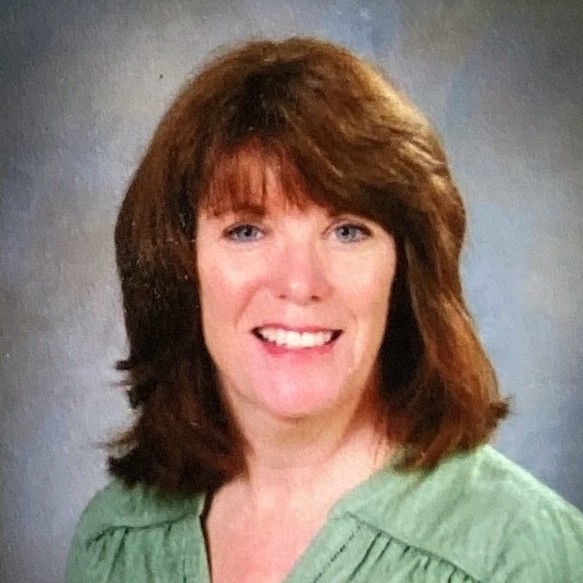 Beyond the Classroom: Outdoor Learning that Sticks
 Heatmaps to Hope: Using Data to Empower Climate-Resilient Students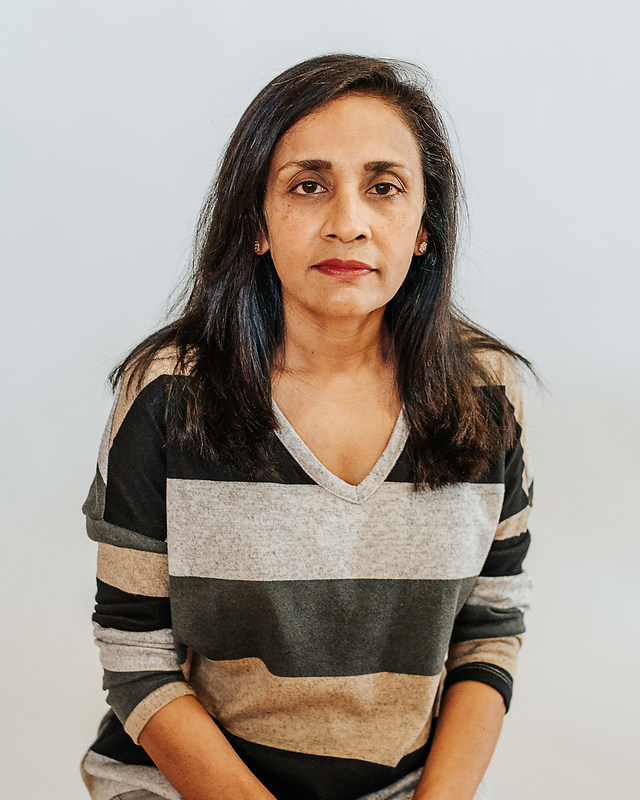
 Effective differentiation in an A to E grade maths classroom with in-class student support
 Artificial Intelligence and the History Classroom: A SWOT Analysis
 Inspiring Emotionally Healthy Boys; From Stereotypes to SEL Success
 Clockwork Classrooms - solutions for smooth running lessons
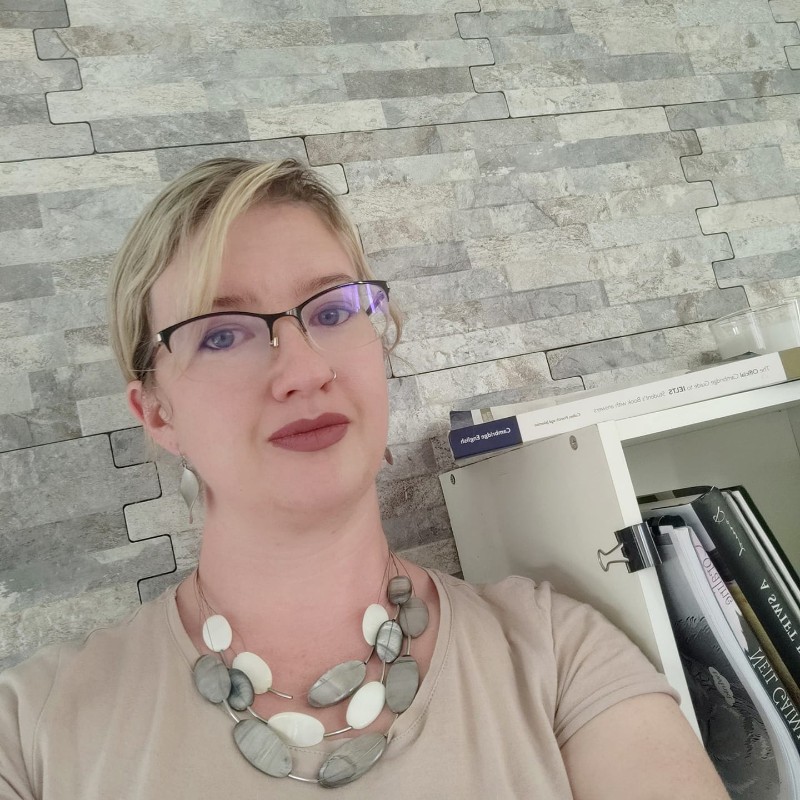 Yes, Everyone Can Read That Novel: UDL Strategies for Multi-Level, Multilingual Literacy
 The Space After Assessment: Turning Time, Freedom and Curiosity into Meaningful Learning
 Feedback Is Just A Waste Of Time
 Empowering Global Citizens: Service Learning and Character Building for a Just and Joyful Tomorrow
 Making Group-work Work: practical ways to empower groups of students to work and learn together.
 The Art and Agency of "Unbuilding" Cultivating Cognitive and Emotional Growth through Destructive Play
 Documenting Learning: The Power of Re-visiting and Making Thinking Visible
 Wordless books, a world to unpack
 Debate Me! : How to plan, teach and assess a range of debate styles in the secondary classroom to challenge higher level speaking skills (MUN and Mock Trials)
 Learning by Design: Making Project-Based Learning Work in the Secondary Classroom
 Using A.I. to help develop students’ historical rigour using sources
 The Role of Mental Balance in Effective Teaching
 Embedding the Supercurricular: How to run a successful TEDx Youth event and club at your school, and how to embed a club into the fabric of the school.
 From Monolingual to Multilingual: Practical strategies for supporting multilingual learners in English-medium classrooms
 Translanguaging and Cognitive Development of Multilingual Students.
 Cognitive Acceleration is more necessary now than ever
 Changemaker Skills: Agency, Inquiry, Action & Visible Thinking
 How to Live in Interesting Times
 Milestones that matter: planning small steps that build real mathematical competence
 From computational thinking to artificial intelligence, empowering learners through stories
 From Rules to Play: Fun with French Grammar
 Curriculum Differentiation: A roadmap to student confidence & wellbeing
 Another brick in the wall? Breaking down subject barriers with creative geography.
 Beyond Procedures: Conceptual Understanding in the Language of Learning Processes
 Reflective Teaching Through Video: A Practical Model for Improving Instruction and Student Learning
 How to connect with students and build a classroom of cooperation and contribution.
 From Surveillance to Support: Trust-Based Observations That Grow Teachers
 Why Play Matters - Making a Case for Prioritising Play in Schools and Beyond
 Designing a school curriculum focused around Technology and Outdoor Learning

 Mathematical Learning To Support Changemakers
 Exploring how to bring learning alive through Mantle of the Expert, a teaching as story-making approach.
 Designing Playful Learning Across Literacy & Numeracy
 From Planning to Practice: Using Language to Build Understanding Across the Curriculum
 Practical Entrepreneurship: A Structured Ideation Method for Any Classroom
 Strategy Talks in CBI Mathematics: Small Shift, Big Impact!
 Approaching EAL support strategically: From arrival to assessment and achievement.
 The Transformative Impact of Personal and Creative Writing on Teachers and Students
 Making Connection Count in the Classroom
 Building Better Teams: Practical Collaborative Challenges for Any Setting
 Unlocking Engagement: Building Educational Escape Rooms for your Classroom!
 Future Leaders’ Toolkit.
 Mini whiteboards: Incorporating mini whiteboards to make lessons interactive and engaging.
 Developing academic language with multilingual learners.
 Building Empathy, Belonging, and Joy Through Story-Based Positive Pedagogy
 Playoneering - protecting Play Beyond early years
 Academic misconduct and academic integrity
 Change the Task Not the Text: Supporting Critical Thinking in a Multilingual World
 Unleashing Student Thinking through Concept-Based Inquiry Mathematics
 How to Spot the Four Types of Worry in Your Classroom
 From Reading to Understanding: Active Strategies for Deep Comprehension
 Deciding what's worthwhile in your curriculum
 Known, Loved, and Valued: A Strategic Framework for Belonging, Engagement, and Student Success
 Bringing the world into your classroom: engaging and flexible learning programmes that you can use in your classroom for free!
 Beyond Survival: Supporting Early-Career Teachers as Emerging Leaders
 Global Citizenship in a WEIRD World
 Reimagining Primary Mathematics with Concept-Based Inquiry
 Take One Book
 Better History - Using AI to help students develop more effective thinking about documents.
 Analog Minds, Augmented Classrooms: Blending Tradition & AI for Motivated, Deeper Learning
 A Tactile Method for Research Synthesis
 Coding Confidence: Beginner-Friendly Introduction to coding
 "Starting the Journey: Building a Whole School Approach to DEIB"
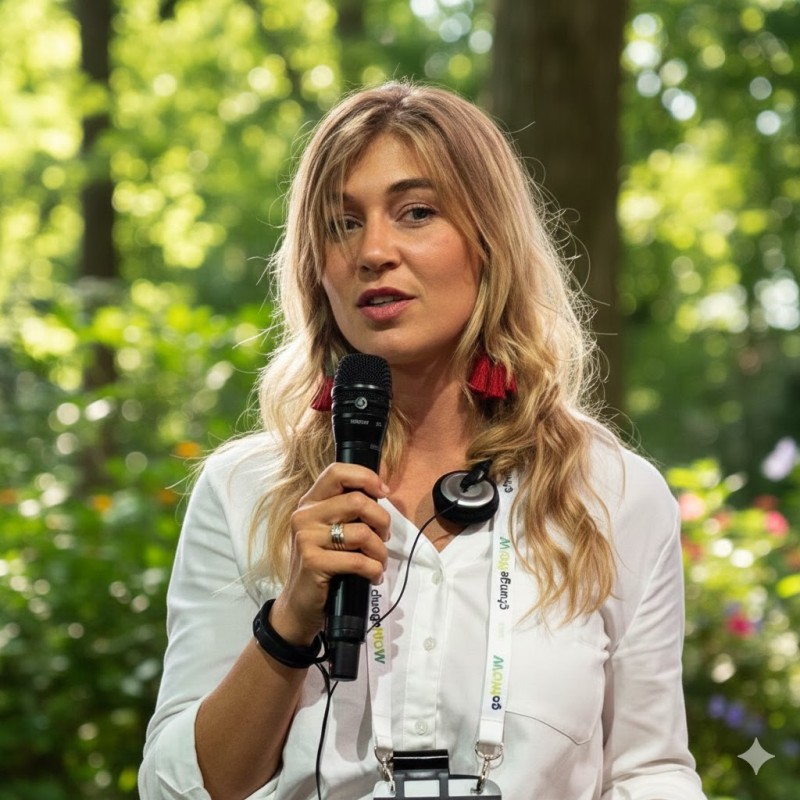 From Empathy to Impact: Tools for Student Changemakers
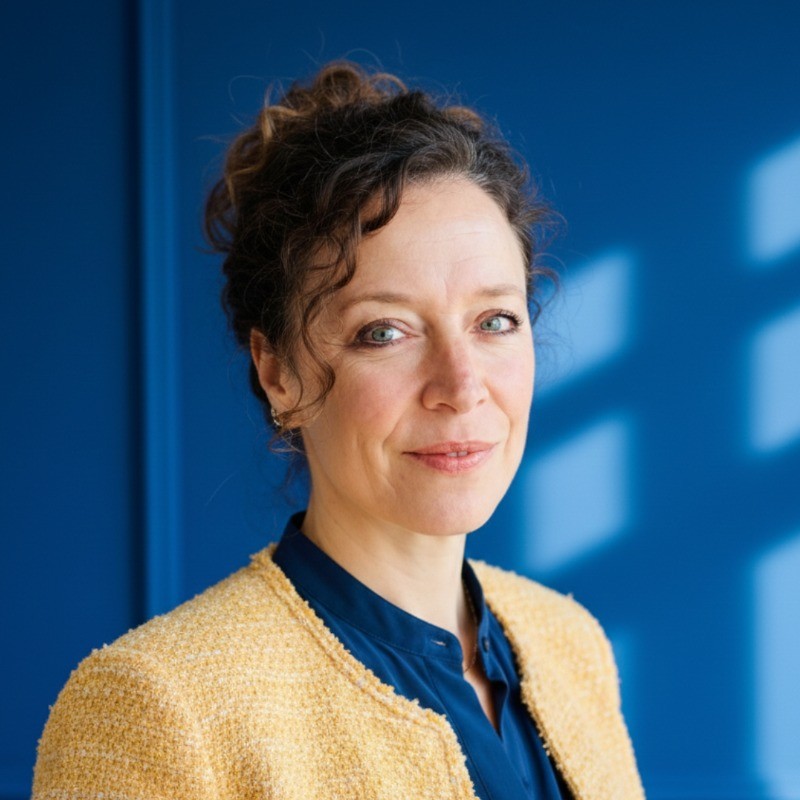 Élémentaire, ma chère grammaire… Pour une approche vivante du cours de langue française.
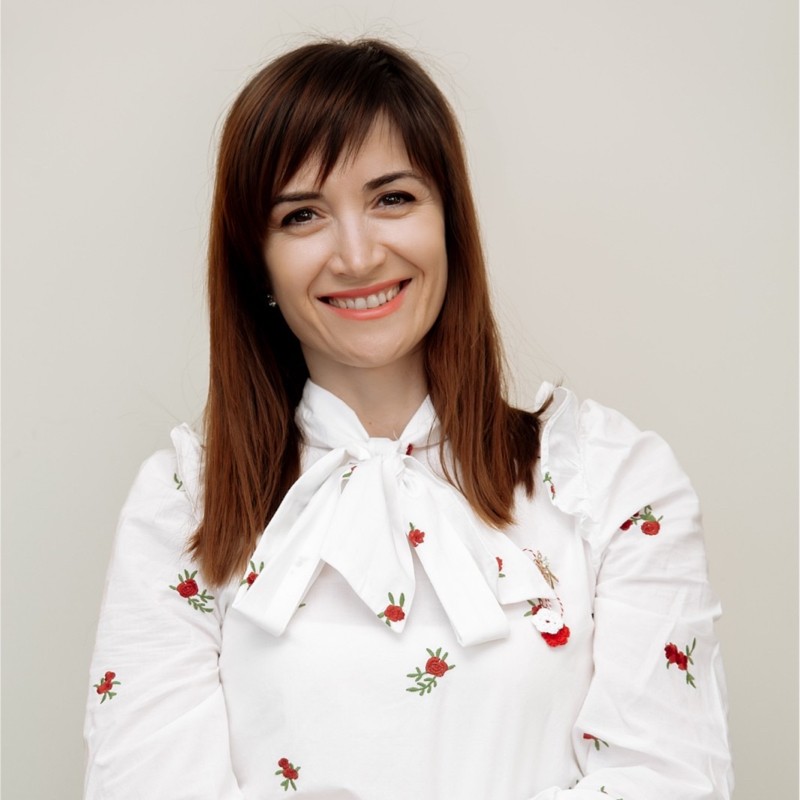 Bringing the world into your classroom through project-based learning.
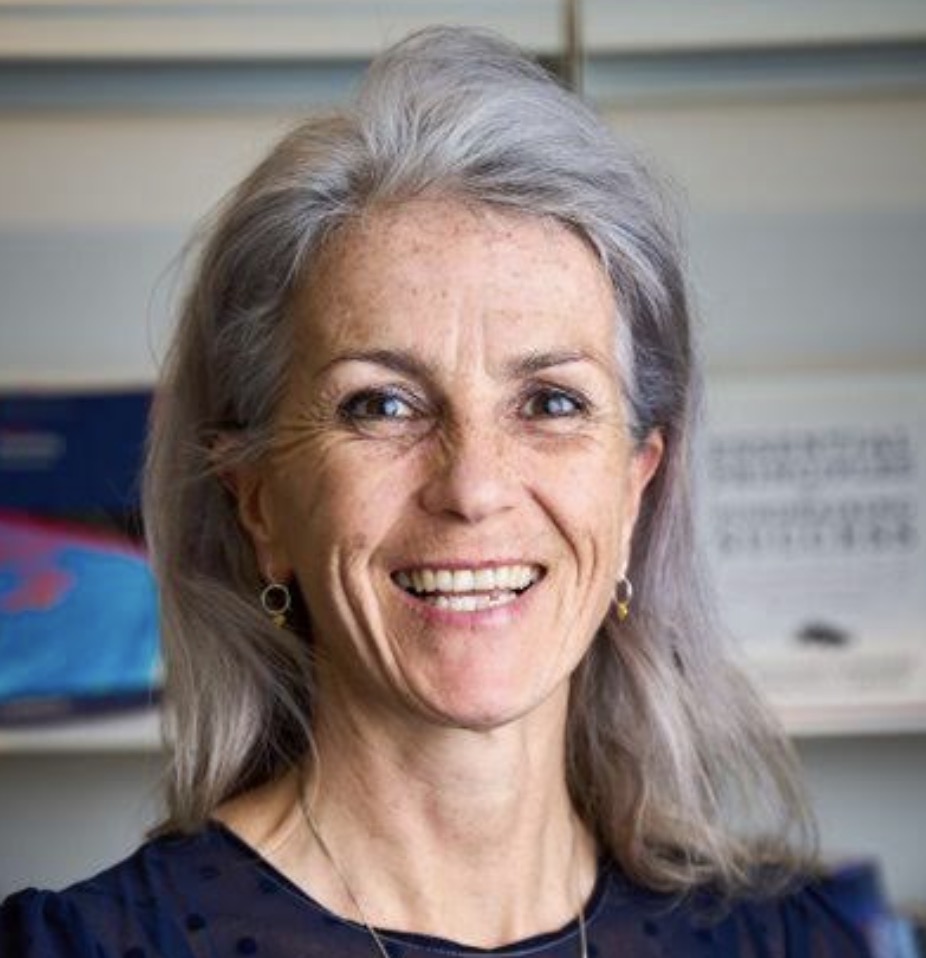 A Pedagogy of Engagement: Attention, Instruction and the Misconceptions That Undermine Learning
 Oracy: the gateway to writing
 Mixed Mega Maths- how to weave joy into your primary maths curriculum through inquiry based lessons.
 Texts on Their Feet: From Reading to Writing Through Rehearsal Room Pedagogies
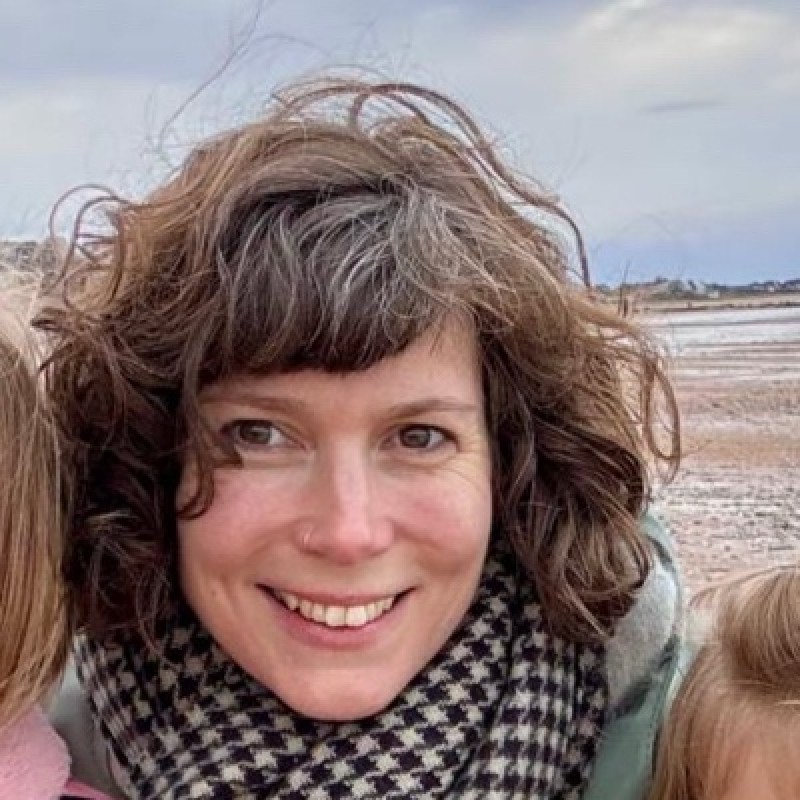 Practical Phonics: High-Impact Games for Engagement and Progress
 The pressure kick: preparing students to land the shot with affective skill practice
 Educating students to discern between 'good' and 'bad' information
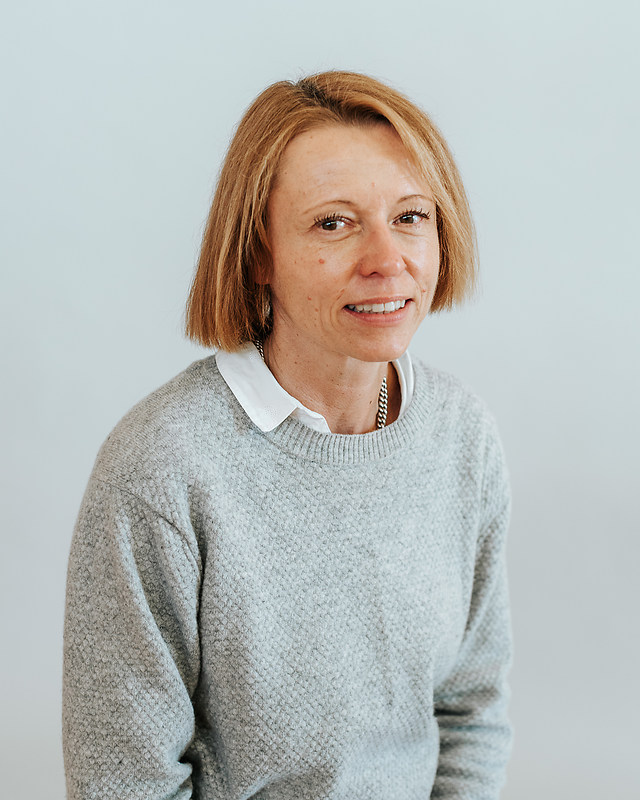 Marzano's 6 Steps to Content-based Vocabulary
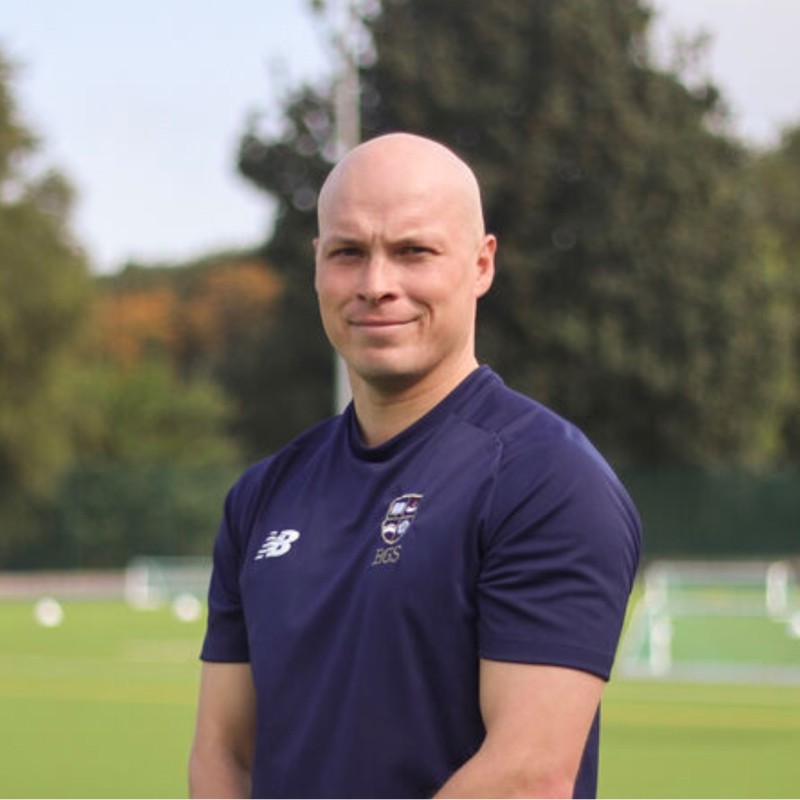 A Pedagogical Approach to Curricula for Sport, Physical Activity, Health and Wellbeing. (Designing, Delivering and Developing sporting curricula that is grounded in pedagogical principles).
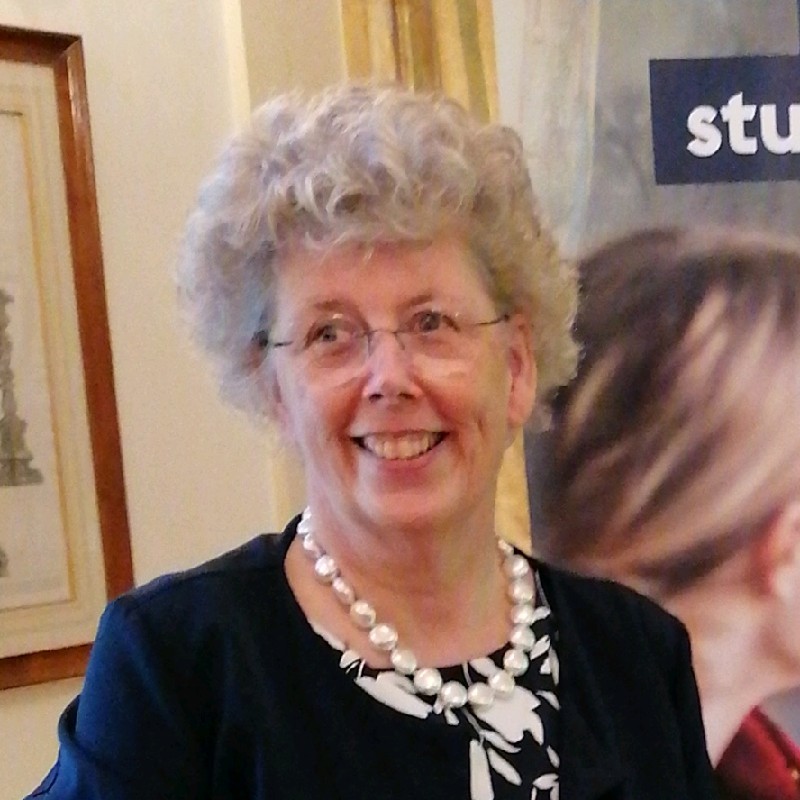 We teach who we are. What are the values, behaviours and beliefs that your students learn from you?
 Eco schools: integrating sustainability in schools
 Active Science Lessons through Music and Movement
 Transdisciplinary ≠Everything at Once - Teaching for Transfer
 Thinking, Feeling and Belonging
 Hexagonal Thinking: Making Conceptual Analysis Visible in Language and Literature Classrooms and Beyond
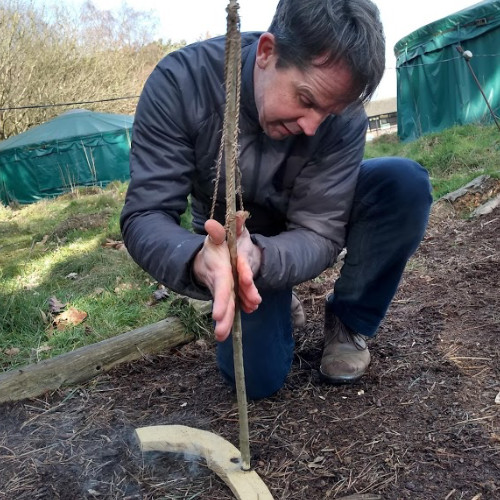 Investigating the use of practical Nature Specific Learning Outside the Classroom sessions to teach physics concepts at GCSE to students with SEN needs.
 Neurodiverse + Multilingual students: Practical Inclusive Strategies
 Design Out the Stress - Using SMART work design to boost wellbeing and performance for both staff and students
 Leading with Positivity to Transform the Learning Landscape
 Curiosity in the classroom: Practical strategies to interest, inspire and inform learners.
 Climate Change: From Causes and Consequences to Rights, Responsibilities and Emotional Impacts
 Give me a reason! Thinking about reasoning skills across the school
 Unpacking Complexity Through Systems Thinking